REVIEW: “The Wife”

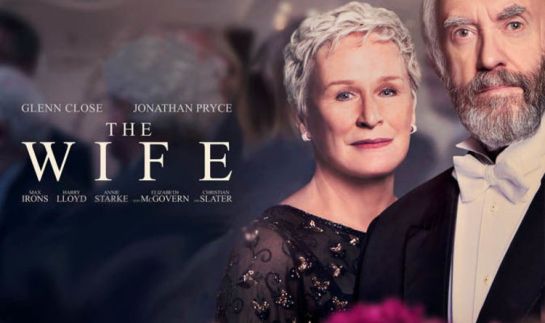
Wife poster

“The Wife” begins as a strategically restrained family drama, but it doesn’t take long to notice its boiling undercurrent of frustration, resentment and discontent. The further we get into the story of Joseph and Joan Castleman the more we feel the tug of inevitability. It’s like a powder keg with a lit fuse. We know it’s going to blow up. The question is when?

Swedish-born Bjorn Runge directs this Jane Anderson adaptation of Meg Wolitzer’s 2003 novel. Their film opens in 1992 Connecticut where accomplished author Joseph Castleman (Jonathan Pryce) and his supportive yet melancholy wife Joan (Glenn Close) receive an early morning call informing them that he has worn the Nobel Prize in Literature. Joseph is understandably ecstatic over what would be any writer’s dream while Joan’s enthusiasm is a bit more tempered.

WIFE2

The couple travels to Stockholm, Sweden for several days of ceremonies leading up to the Nobel prize presentation. They bring along their son David (Max Irons), an aspiring writer who yearns for the approval of his father. The look we get into their relationship exposes the first of several cracks in the family’s facade. Joseph’s high honor ends up opening old wounds and creating a few new ones along the way.

The story takes its time unveiling itself, slowly feeding us small morsels of revelation. Some info comes through a handful of flashbacks that documents how younger Joseph (Harry Lloyd) and Joan (Close’s real life daughter Annie Starke) met while showing the genesis of their problems both as writers and as a couple. These moments are interesting enough but far weaker than when Close and Pryce are on screen and they tend to disrupt the film’s rhythm.
WIFE1

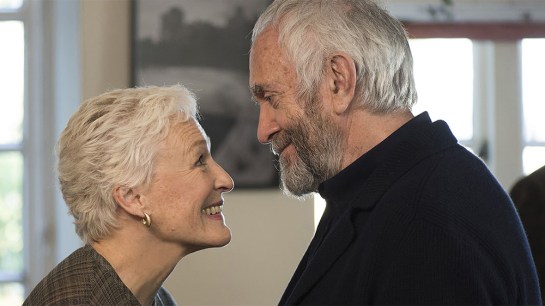
And that brings me to the film’s biggest strengths – its two central performances. Close has the trickiest role of the two and she often speaks volumes without uttering a word. Her empty smiles and burdened stares reveal someone worn down by tragically quenched ambition and partially self-inflicted disempowerment. Pryce is no stranger to playing a narcissistic writer (see 2014’s “Listen Up Philip”). His character requires a much different performance than we get from Close yet he is a perfect complement to her. The two 71-year-olds have a remarkable chemistry. And it’s worth mentioning that Christian Slater is surprisingly effective as a lurking biographer chomping at the bit to get rights to Joseph’s story.

The more Close’s once dutiful wife questions her own decisions and concessions the more tension builds between this husband and wife. From there “The Wife” simmers to the point of boiling over and the outpouring of emotions we get in the third act is all but unavoidable. At a dinner honoring the Nobel recipients Joan is asked what she does for a living. Her response and the manner in which she gives it offers the perfect encapsulation of her character – “I am a kingmaker”.

VERDICT – 4 STARS

3-5-stars

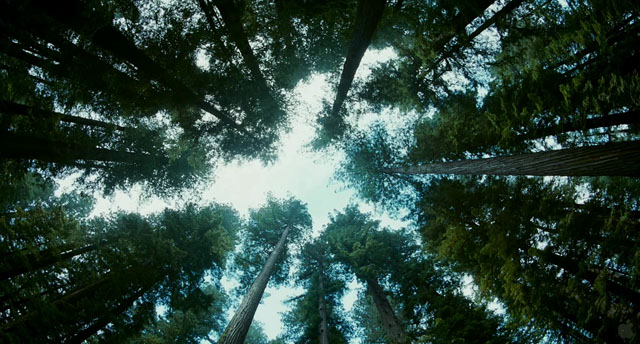
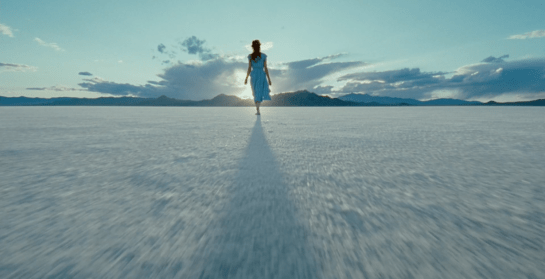
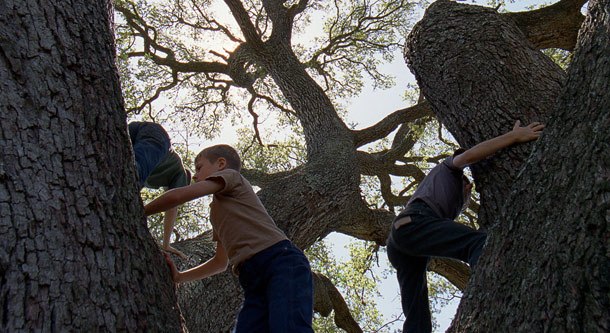
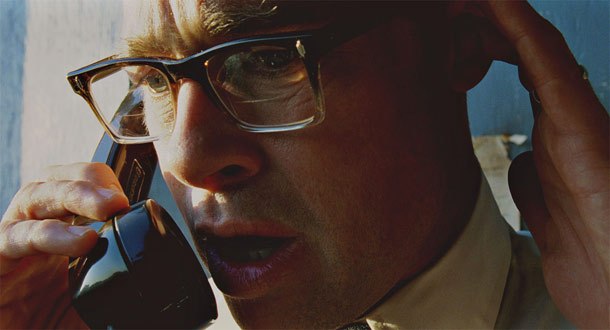
Great Images from Great Movies #9 – “The Tree of Life”

great-images-tree of life

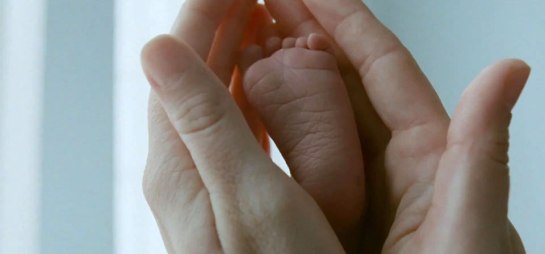
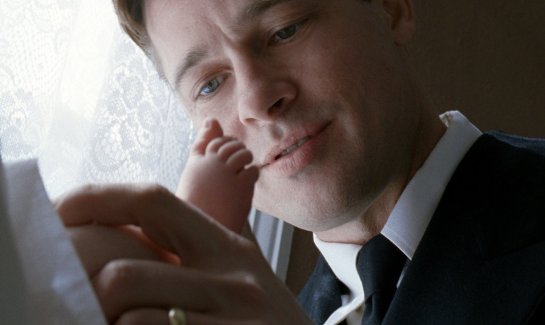
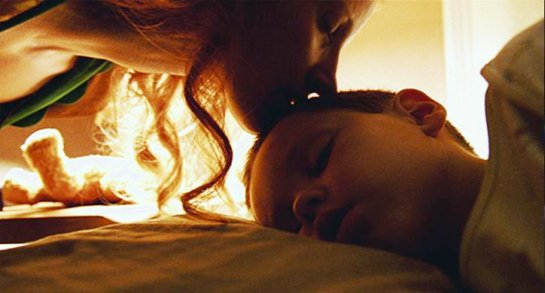
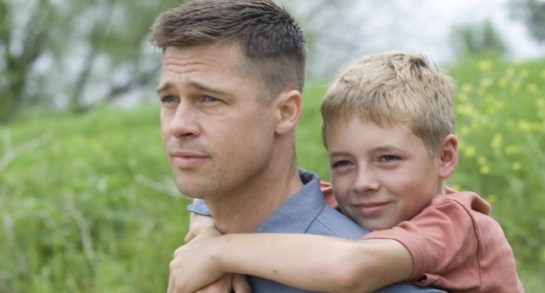
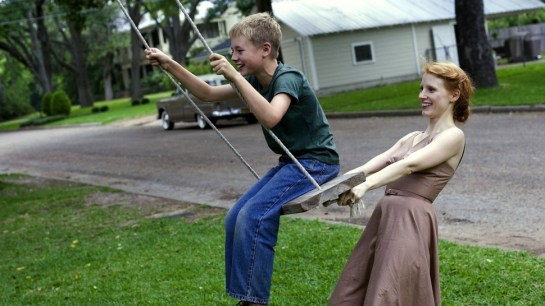
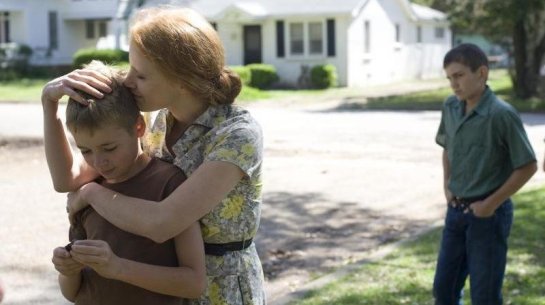
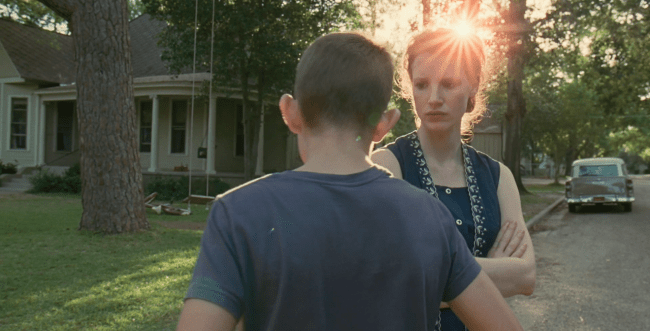
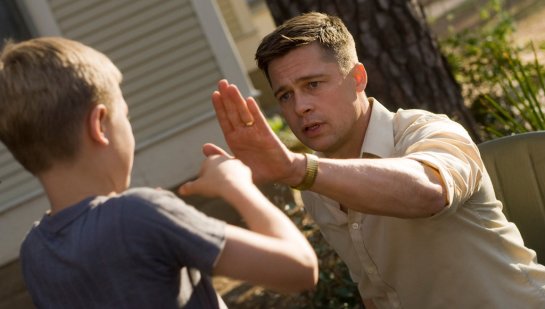
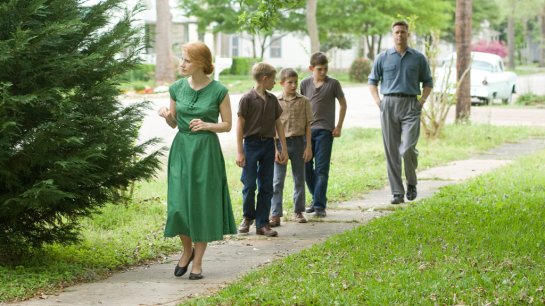
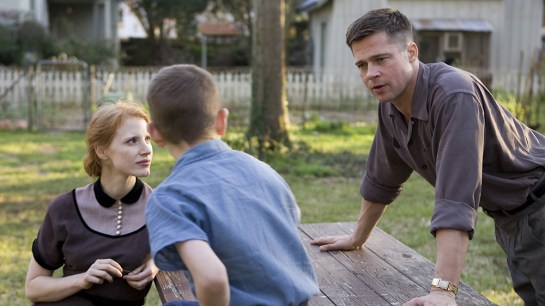
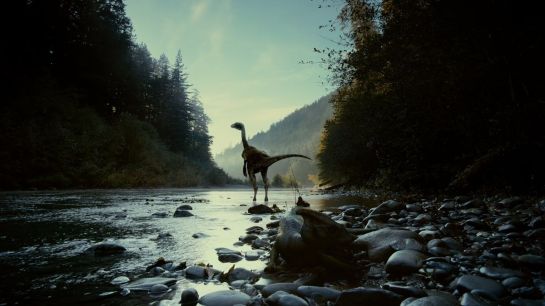
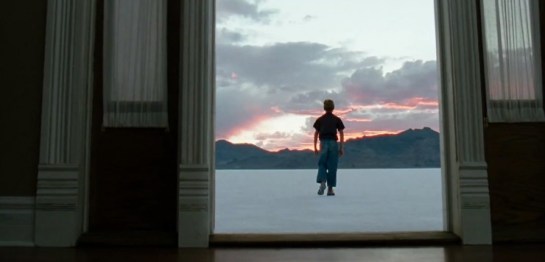
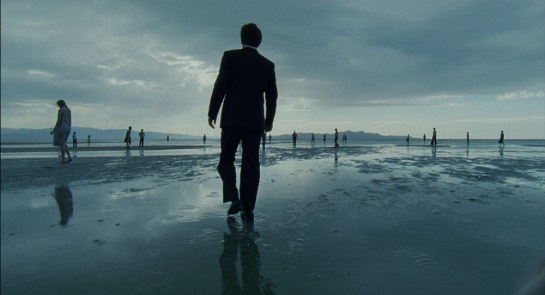
Truly great movies can leave indelible marks. It may be through an emotional connection to the story. It may be through a remarkable performance or a signature scene. But it could also be through the brilliant imagery a film can carve into your mind. That’s what this feature is all about – highlighting great images from great movies. Today we look at Terrence Malick’s stunning “The Tree of Life.

treepostertree7tree4tree19tree14tree12tree8tree11tree9tree20The Tree Of Life - 2011tree16tree5tree3tree10tree1tree15tree18tree17tree6tree13

So what on your thoughts on “The Tree of Life”? Which image stands out the most? Let me know in the comments section below.

REVIEW: “The Man Who Killed Hitler and Then the Bigfoot”

Bigffotminipost

Say what you want to about the film, but you can’t deny that the man behind it certainly went with an attention-grabbing title for his feature film debut. Robert D. Krzykowski’s  “The Man Who Killed Hitler and Then the Bigfoot” screams low-budget pulp. Who knew it was actually a meditative character study full of deep feeling and pathos. Don’t let it’s peculiar title fool you.

The film had a much different shape when Krzykowski begin writing the script some twelve years ago. His original concept was more of a playful exploitation film that fell in line with the quirkiness of its title. Over time it took on a more pensive form in large part due to real-life emotions Krzykowski was dealing with.

Bigfoot1

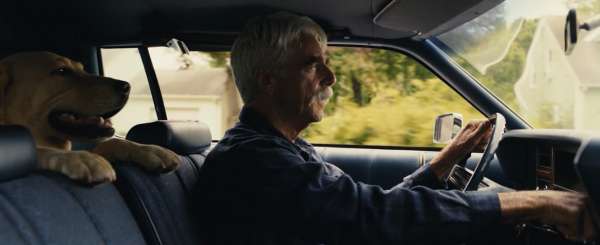
It instantly makes a good impression by casting Sam Elliott as its lead. He has always been an actor who could instantly grab the audience’s trust. He’s effortlessly charismatic and consistently great. Krzykowski hands him a role tailor-made for his down-to-earth and quietly rugged strengths.

Elliott plays a melancholy World War 2 veteran named Calvin Barr. He’s a man coming to terms with his old age and still reckoning with past choices that he either made or in some cases didn’t make. Krzykowski gives us several of Calvin’s simple day-to-day moments. To be honest I would enjoy watching Sam Elliott walk his dog or get a haircut for a full 90 minutes. But these moments actually give some meaningful insight into his character and what makes him tick. He’s a lonely man who has an occasional conversation with his little brother Ed (Larry Miller) or his bartender friend George (Alton White). But his closest confidant is Ralph, his faithful Golden Retriever.

Interestingly there is a second timeline which follows young Calvin (Aiden Turner) both during and surrounding WW2. Several of the things we see there get to the roots of old man Calvin’s state of mind. They include him falling for a charming young school teacher named Maxine (Caitlin FitzGerald) and of course the covert military mission alluded to in the title. Krzykowski clearly wants to give both timelines space to have their own identity but it’s almost unavoidable that we find ourselves wanting to getting back to Elliott. Still the flashback timeline works.

Bigfoot2

While the film is fully aware of the absurdity it dangles in front of its audience, it manages to take itself seriously mainly because it takes Calvin seriously. It treats him in a way that both demands and earns our empathy. Whether he’s sifting through his feelings of remorse and regret or wrestling with the ideas of heroism and being an unheralded legend. So when Calvin in approached by government agents seeking his help in hunting down the plague-spreading Bigfoot, we strangely care about his decision despite the sheer nuttiness of it all.

That gets to what I love most about “The Man Who Killed Hitler and Then the Bigfoot”. It’s unashamedly preposterous yet so earnest where it counts most. There is a crazy yet fascinating harmony to these two seemingly opposites and the movie has a much deeper core than you might think. And it doesn’t hurt to have a fabulous Sam Elliott performance at the center. It’s a movie certain to clash with some people’s expectations, but once I got in with its unusual rhythms I was completely hooked.

VERDICT – 4.5 STARS

4-5-stars

First Glance: “Hotel Mumbai” Trailer

Mumbai

The trailer for Anthony Maras’ “Hotel Mumbai” has dropped and I’m thinking it has some potential. The film is set during the 2008 attacks in Mumbai, India. For four days a total of twelve attacks were carried out across Mumbai. Nearly 170 victims died and over 300 were injured. The Taj Mahal Palace Hotel and its nearly 450 guests was targeted on November 28th.

There is definitely enough there for a meaty story and we see some good things in the trailer. Here’s hoping they’re able to pull in off. I’m certainly interested.

“Hotel Mumbai” opens March 22, 2019. Check out the trailer below and tell me what you think. Will you be giving it a look?

REVIEW: “Minding the Gap”

mindingposter

Filmmaker Bing Liu grew up in Rockford, Illinois a struggling city of approximately 150,000 people. At 14 he was given his first video camera and almost immediately he began making his first short films. At age 19 he began a project concentrating on growing up in the skateboarding community. This would become “Minding the Gap”, now an Oscar-nominated documentary which is anything but ‘another skateboarding movie’.

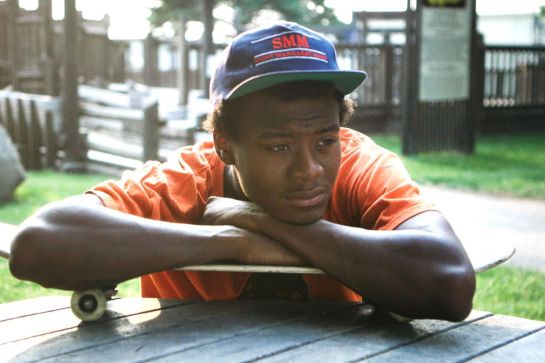
For Liu “Minding the Gap” is a deeply personal exploration. He serves as director, cinematographer, co-editor, and co-producer, but his deeper connection is with the subject matter itself. The film revolves around three friends: Keire, Zack, and Bing. The film’s deftly shot opening shows the friends skateboarding across a seemingly vacant downtown Rockford. We quickly learn this is more than just social time. It’s their time to release and escape from the hands life has dealt them.

minding2

A heartbreaking through-line becomes evident the more we get to know these three young men. Keire is African-American and sports a million dollar smile and an infectious personality. But beneath the surface he struggles with troubling memories of his late father who, despite their complex past, Keire misses greatly. He’s such an endearing person and your heart aches for him.

Zack is a bit of a wild-child with an unhealthy love for alcohol. His edgy and reckless lifestyle was his response to growing up with a cruel and oppressive father. But he smacks headfirst into reality after his girlfriend Nina finds out she’s pregnant. Liu’s camera careful documents Zack’s attempted transition from rebellious rowdy to responsible father.

Later Liu brings his own personal story into focus revealing that he too was the victim of an abusive father. For Liu making the film is a means of catharsis and it opens up an opportunity for him to reckon with his painful childhood. His story seamlessly intertwines with the others making each feel distinct and personal yet all part of a single powerful and moving theme.

You can’t say enough about the film’s subtle transformation from an observational study of young adulthood to a piercing examination of domestic abuse and its lasting effects. Liu displays such control of his vision and a good sense of how to bring it all together. He shows it most in the editing room (alongside co-editor Joshua Altman) where they cut through nearly twelve years of footage yet still create something strikingly intimate.

minding1

I doubt “Minding the Gap” would be as effective without fully embracing the cinéma vérité approach. The rawness of Liu’s images and the bare, unrestrained conversations are purely organic and sole-baring. There are instances where Liu is perhaps so dedicated to allowing things to play out naturally that people suffer as a result. It poses an interesting question of how much a filmmaker (particularly a documentarian) should get involved when he/she knows something bad has happened. And how much (if any) responsibility lies at their feet? This was a question I still struggle with concerning a couple of the film’s darker moments.

Still, there’s no denying the emotional gut-punch “Minding the Gap” packs. It’s all about the heart-breaking struggles of Keire, Zack, and Liu and the different life paths each of them travel. Will they be able the mend the wounds of past abuse? Will they repeat the sins of their fathers? It can all be pretty tough to watch. But just when we need it, we’re given one of those freeing skateboarding sequences – beautifully shot and full of smiles, laughter and energy. They offer us glimmers of hope for these young men, so full of life yet burdened by their pasts and uncertain of their futures.

VERDICT – 4 STARS

4-stars

REVIEW: “Velvet Buzzsaw”

VelvetPOSTERNow with three movies under his belt screenwriter-turned-director Dan Gilroy has shown a keenness for creating and developing characters who march to the beats of their own unique and often idiosyncratic drums. We got that in 2014’s “Nightcrawler” and in 2017’s “Roman J. Israel, Esq.” Two very different movies concentrated on two very unusual personalities.

Gilroy’s latest is “Velvet Buzzsaw” and you could say it features a collage of these type of characters. Set as a snapshot of the bizarre and amoral Los Angeles art scene, the film relishes every satirical jab it takes at art culture pretension and pomposity. But it goes much further than that. Things really go bonkers in the second half where Gilroy turns it from devious art world parody into a wacky full-fledged horror thriller.

Gilroy’s centers his cadre of eccentrics around the freshly discovered paintings of a recently deceased recluse named Vetril Dease. The artwork is discovered by the opportunistic Josephina (Zawe Ashton) who smuggles them out of Dease’s apartment and into the hands of her cutthroat boss and gallery owner Rhodora (Rene Russo). Jake Gyllenhaal plays prominent art critic Morf Vandewalt, a prancing narcissist commissioned to study the Dease collection for Rhodora.

Those three prove to be the major players, but there are several other jaunty characters played by an interesting and talented cast. Toni Collette, Natalia Dyer, John Malkovich, Daveed Diggs, Billy Magnussen, and Todd Sturridge all find themselves playing a part in Gilroy’s twisted genre mashup. And once it is revealed that Dease’s art possesses a dark supernatural power, let’s just say you don’t want to be caught alone with one of his paintings (which conveniently happens a lot).

Velvet1

Making sense of “Velvet Buzzsaw” isn’t the easiest thing to do but I appreciate how it prompts us to try. I keep leaning towards the idea of jurgement. Could it be that the force/spirit within Dease’s paintings is judging the ruthless, depraved, art crowd miscreants? That’s a preposterous reading but I kinda like it.

While there is something fun about the nuttiness of it all and most of the performances (sorry Zawe Ashton) are really good throughout, those things can only take it so far. It’s hard to get into without spoiling things, but suffice it to say we never get a good sensible understanding of what is going on. It’s not so much the ‘whats’ but the ‘whys’ and ‘hows’ that makes no sense specifically in the film’s second half. It almost feels like Gilroy had a cool and creepy concept but wasn’t exactly certain how to land it. That leaves us with a flawed yet peculiarly fascinating film. Kinda like Dease’s paintings themselves.

VERDICT – 3.5 STARS

3-5-stars