REVIEW: “Happy Death Day 2 U”

HappyPOSTERBIG

Complete with an absurdly funny title and a crazy concept, 2017’s “Happy Death Day” was a nice little surprise. It was a waggish and off-beat horror movie that worked mainly due to it being both subversive and self-aware. It played around with several of the genre’s most familiar tropes and it did so with an ever-present tongue-in-cheek glee.

Now we get the inevitable sequel sporting an even more ridiculous title and taking the story to even more outlandish places. I say the sequel was inevitable because these meagerly budgeted horror films have proven to be a gold mine for producers like Jason Blum. The first film was made for under $5 million and made over $125 million at the box office alone. As I said, inevitable.
Happy1

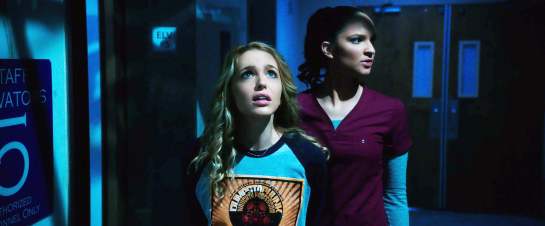
Jessica Rothe (now 31-years-old but still looking like a college student) returns to play Tree. The key piece from the first film, Rothe is asked to go even further here in terms of balancing the horror and comedy elements. She’s still a lot of fun to watch and is more than able to do most of the heavy lifting.

Tree and her now boyfriend Carter (a returning Israel Broussard) set out to help fellow Bayfield University student Ryan (Phi Vu) who is caught in a time loop much like the one she encountered in the first film. They link Ryan’s situation back to a quantum physics experiment fired off by him and his fellow science geek buddies. They conclude that the only way to fix things is to reenact the experiment, but in doing so Tree finds herself pulled back into her own personal “Groundhog Day” time loop. The film quickly shifts to her as she tries to figure out her predicament.
Happy2

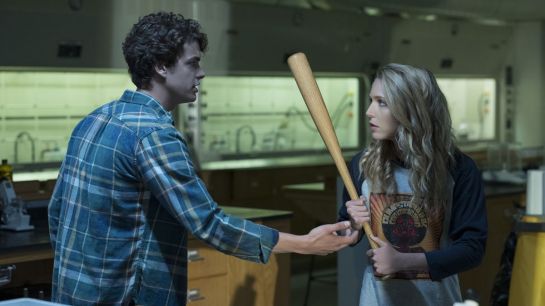
Returning director Christopher Landon (who also writes the sequel) retains the original film’s playfulness while barely keeping it within its genre. It’s weird but this barely feels like a horror movie. There are a couple of jump scares and we’re reminded that you can chew up a lot of screen time by walking slowly down hallways or through darkened rooms. But that’s about it. You could try to fit it into the slasher sub-genre but even that feels like a stretch.

“Happy Death Day 2 U” ends up barely being a horror movie, kind of a comedy, and sort of science-fiction. Its story is goofy (I like to believe intentionally so) and I’m still trying to figure out what the heck actually happened in it. But here’s the funny thing, this peculiar mashup still manages to show its audience a good time. Rothe is an absolute blast. It has a specific story thread that is surprisingly touching. And the movie embraces its goofiness just enough to keep the whole thing afloat. It’s a movie so dependent on its central conceit that I’m not sure where it can possibly go next. But even though this is a pretty fun sequel, you get the feeling they need to come up with something new if they want to keep this series fresh.

VERDICT – 3 STARS

3-stars

REVIEW: “Nancy” (2018)


nancyposter

The 2019 Independent Spirit Awards are just around the corner and when perusing their list of nominees I came across “Nancy”. The film received two nominations, J. Smith-Cameron for Supporting Actress and Christina Choe for Best First Screenplay. After a little digging I found myself really intrigued by the movie’s premise.

Choe also directs this tightly paced drama that first premiered at last year’s Sundance Film Festival. The story is a bit slippery and requires a steady hand and precise tone management. It could have easily careened into overcooked melodrama or downright absurdity. But Choe does a truly impressive balancing act, keeping everything together and under control. It all amounts to one knock-out debut.

nancy1

Andrea Riseborough stars as the title character Nancy. She’s a young woman in her thirties who splits time working as a temp at a dentist office and caring for her overbearing mother (Ann Dowd) who has Parkinsons. In between she writes short stories and invents online personas as a way of connecting with other people. It’s the latter that she sometimes takes to far. Like ‘catfishing’ a desperate and grieving father (played by a very good John Leguizamo).

This is perfect material for Riseborough, a crafty shapeshifter of an actress who has shown a knack for transformative performances. Her Nancy is pale and disheveled, looking at the world through an ever-present vacant stare. It’s a melancholic portrayal which makes her character a tough one to read. This proves to be a big asset for the narrative especially in the film’s second half.

Mere days after her mother dies, Nancy sees a news report recounting the disappearance of a young girl named Brooke some 35 years prior. The report reveals an image of what Brooke would look like now and the resemblance to Nancy is uncanny. Seeing this, Nancy believes she may be the long-lost Brooke. Or does she? We’re given several reasons to question Nancy’s motivations, yet at the same time she always has our sympathy.

nancy2

Nancy contacts Brooke’s parents, a tender-hearted intellectual couple who immediately arrange to meet. The mother Ellen (a terrific J. Smith-Cameron) desperately wants to believe she has been reunited with her daughter. Leo, the kind but reasonably cautious father (played by Steve Buscemi), wants to be sure and hires a private investigator to conduct a DNA test.

The dueling tensions of the film are quite fascinating. First, does Nancy truly believe she is Brooke? Second, what will the DNA test results reveal? Those questions stick in the backs of our minds as we try to sort out who gets our empathy. Is it Nancy, Brooke’s parents, maybe both? Choe does a masterful job of keeping us guessing.

VERDICT – 4 STARS
4-stars

First Glance: “Yesterday” Trailer

YesterdayMOVIE

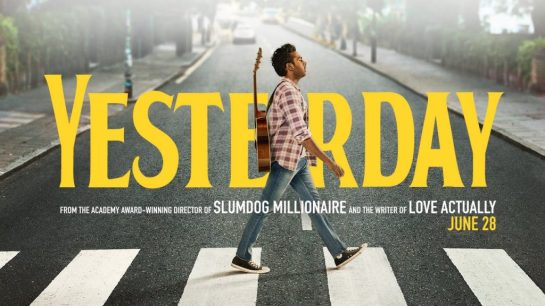
Now here’s a peculiar but potentially fun movie with a brand new trailer. “Yesterday” is the new film from director Danny Boyle and is written by Richard Curtis (“Love Actually”). It’s concept is a bit nuts. A struggling musician named Jack is hit by a bus and wakes up in a world where The Beatles never existed. Here’s the thing, he still remembers all their songs. Also some weird global power flicker somehow fits into it all.

Jack ends up a worldwide mega-star singing Beatles tunes as his own. Like I said, its concept is a bit nuts. “Yesterday” hits theaters June 28th. Check out the trailer below and tell me if you will be giving it a look or a skip.

REVIEW: “The Wife”

Wife poster

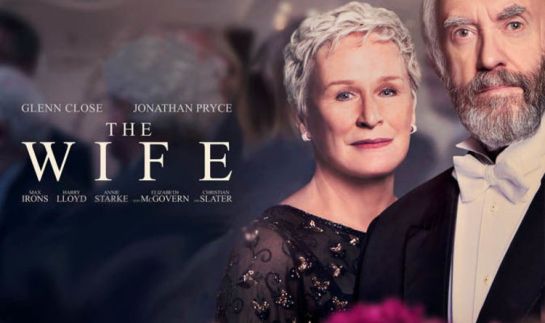
“The Wife” begins as a strategically restrained family drama, but it doesn’t take long to notice its boiling undercurrent of frustration, resentment and discontent. The further we get into the story of Joseph and Joan Castleman the more we feel the tug of inevitability. It’s like a powder keg with a lit fuse. We know it’s going to blow up. The question is when?

Swedish-born Bjorn Runge directs this Jane Anderson adaptation of Meg Wolitzer’s 2003 novel. Their film opens in 1992 Connecticut where accomplished author Joseph Castleman (Jonathan Pryce) and his supportive yet melancholy wife Joan (Glenn Close) receive an early morning call informing them that he has worn the Nobel Prize in Literature. Joseph is understandably ecstatic over what would be any writer’s dream while Joan’s enthusiasm is a bit more tempered.

WIFE2

The couple travels to Stockholm, Sweden for several days of ceremonies leading up to the Nobel prize presentation. They bring along their son David (Max Irons), an aspiring writer who yearns for the approval of his father. The look we get into their relationship exposes the first of several cracks in the family’s facade. Joseph’s high honor ends up opening old wounds and creating a few new ones along the way.

The story takes its time unveiling itself, slowly feeding us small morsels of revelation. Some info comes through a handful of flashbacks that documents how younger Joseph (Harry Lloyd) and Joan (Close’s real life daughter Annie Starke) met while showing the genesis of their problems both as writers and as a couple. These moments are interesting enough but far weaker than when Close and Pryce are on screen and they tend to disrupt the film’s rhythm.

WIFE1

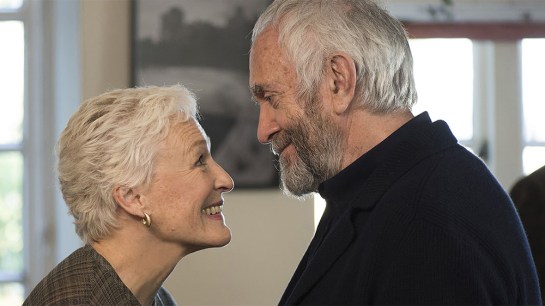
And that brings me to the film’s biggest strengths – its two central performances. Close has the trickiest role of the two and she often speaks volumes without uttering a word. Her empty smiles and burdened stares reveal someone worn down by tragically quenched ambition and partially self-inflicted disempowerment. Pryce is no stranger to playing a narcissistic writer (see 2014’s “Listen Up Philip”). His character requires a much different performance than we get from Close yet he is a perfect complement to her. The two 71-year-olds have a remarkable chemistry. And it’s worth mentioning that Christian Slater is surprisingly effective as a lurking biographer chomping at the bit to get rights to Joseph’s story.

The more Close’s once dutiful wife questions her own decisions and concessions the more tension builds between this husband and wife. From there “The Wife” simmers to the point of boiling over and the outpouring of emotions we get in the third act is all but unavoidable. At a dinner honoring the Nobel recipients Joan is asked what she does for a living. Her response and the manner in which she gives it offers the perfect encapsulation of her character – “I am a kingmaker”.

VERDICT – 4 STARS

3-5-stars

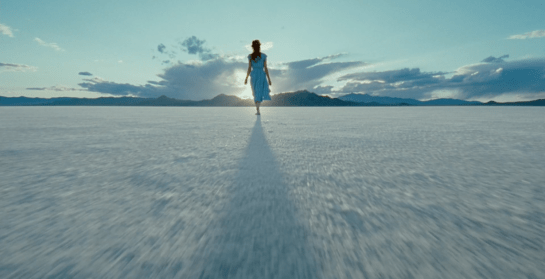
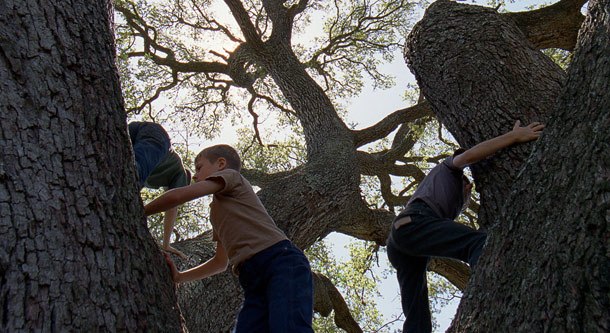
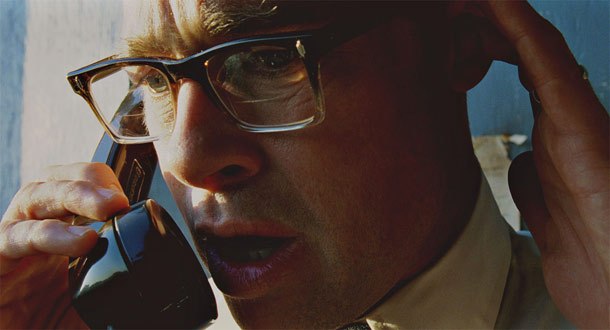
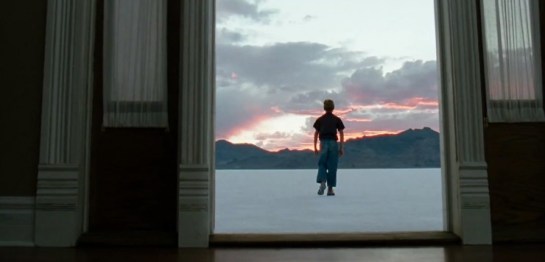
Great Images from Great Movies #9 – “The Tree of Life”

great-images-tree of life

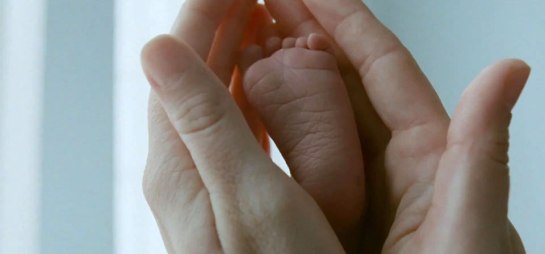
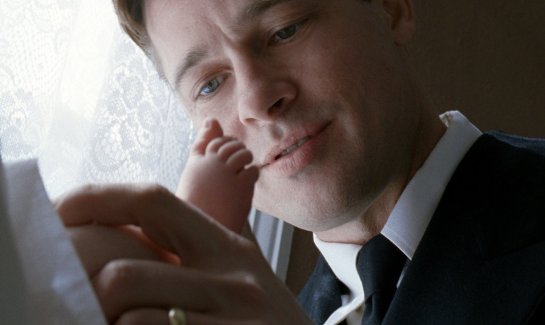
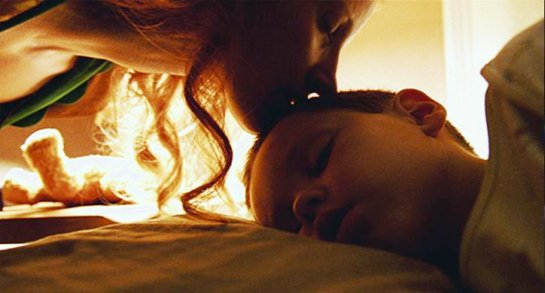
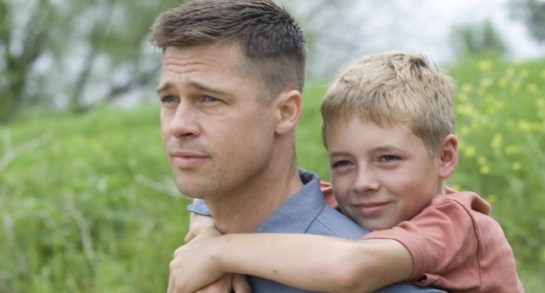
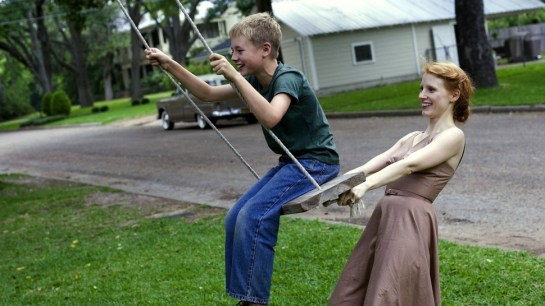
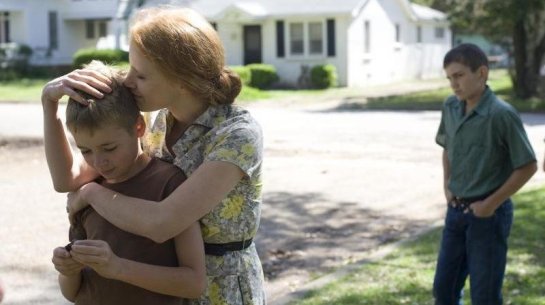
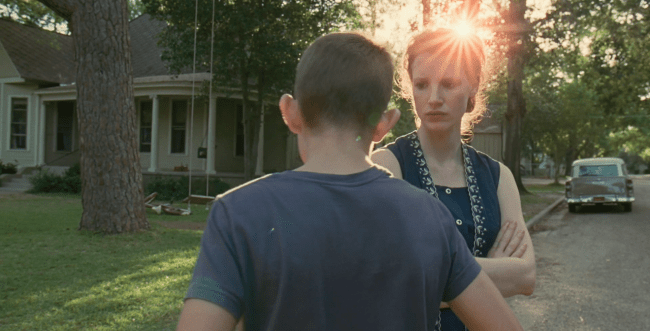
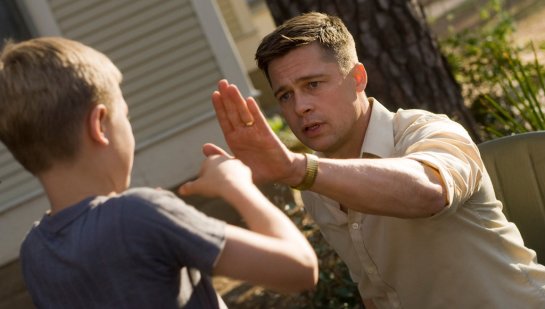
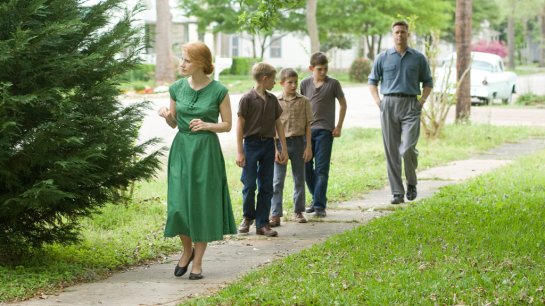
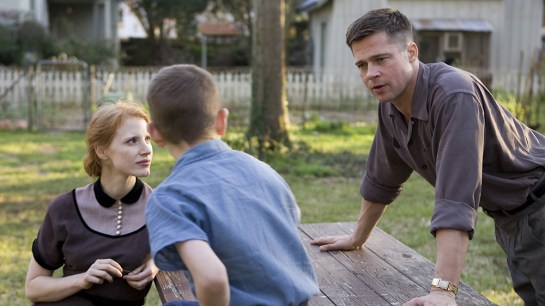
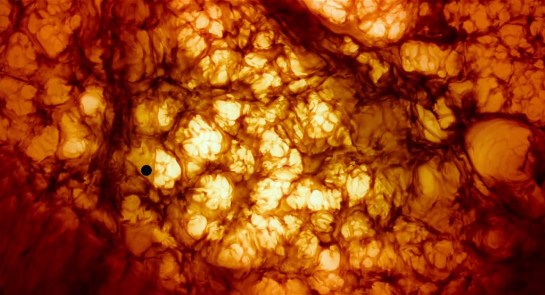
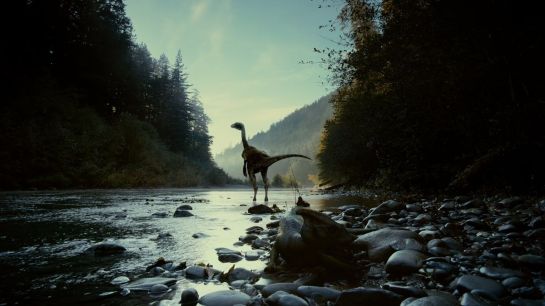
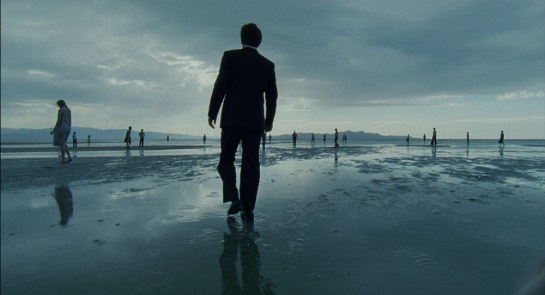
Truly great movies can leave indelible marks. It may be through an emotional connection to the story. It may be through a remarkable performance or a signature scene. But it could also be through the brilliant imagery a film can carve into your mind. That’s what this feature is all about – highlighting great images from great movies. Today we look at Terrence Malick’s stunning “The Tree of Life.

treepostertree7tree4tree19tree14tree12tree8tree11tree9tree20The Tree Of Life - 2011tree16tree5tree3tree10tree1tree15tree18tree17tree6tree13

So what on your thoughts on “The Tree of Life”? Which image stands out the most? Let me know in the comments section below.

REVIEW: “The Man Who Killed Hitler and Then the Bigfoot”

Bigffotminipost

Say what you want to about the film, but you can’t deny that the man behind it certainly went with an attention-grabbing title for his feature film debut. Robert D. Krzykowski’s  “The Man Who Killed Hitler and Then the Bigfoot” screams low-budget pulp. Who knew it was actually a meditative character study full of deep feeling and pathos. Don’t let it’s peculiar title fool you.

The film had a much different shape when Krzykowski begin writing the script some twelve years ago. His original concept was more of a playful exploitation film that fell in line with the quirkiness of its title. Over time it took on a more pensive form in large part due to real-life emotions Krzykowski was dealing with.

Bigfoot1

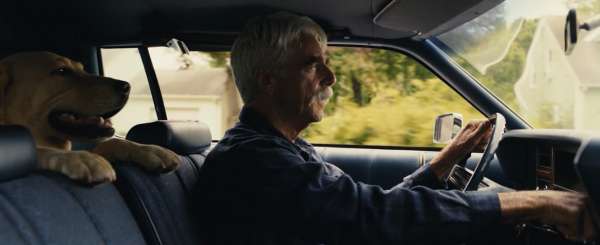
It instantly makes a good impression by casting Sam Elliott as its lead. He has always been an actor who could instantly grab the audience’s trust. He’s effortlessly charismatic and consistently great. Krzykowski hands him a role tailor-made for his down-to-earth and quietly rugged strengths.

Elliott plays a melancholy World War 2 veteran named Calvin Barr. He’s a man coming to terms with his old age and still reckoning with past choices that he either made or in some cases didn’t make. Krzykowski gives us several of Calvin’s simple day-to-day moments. To be honest I would enjoy watching Sam Elliott walk his dog or get a haircut for a full 90 minutes. But these moments actually give some meaningful insight into his character and what makes him tick. He’s a lonely man who has an occasional conversation with his little brother Ed (Larry Miller) or his bartender friend George (Alton White). But his closest confidant is Ralph, his faithful Golden Retriever.

Interestingly there is a second timeline which follows young Calvin (Aiden Turner) both during and surrounding WW2. Several of the things we see there get to the roots of old man Calvin’s state of mind. They include him falling for a charming young school teacher named Maxine (Caitlin FitzGerald) and of course the covert military mission alluded to in the title. Krzykowski clearly wants to give both timelines space to have their own identity but it’s almost unavoidable that we find ourselves wanting to getting back to Elliott. Still the flashback timeline works.

Bigfoot2

While the film is fully aware of the absurdity it dangles in front of its audience, it manages to take itself seriously mainly because it takes Calvin seriously. It treats him in a way that both demands and earns our empathy. Whether he’s sifting through his feelings of remorse and regret or wrestling with the ideas of heroism and being an unheralded legend. So when Calvin in approached by government agents seeking his help in hunting down the plague-spreading Bigfoot, we strangely care about his decision despite the sheer nuttiness of it all.

That gets to what I love most about “The Man Who Killed Hitler and Then the Bigfoot”. It’s unashamedly preposterous yet so earnest where it counts most. There is a crazy yet fascinating harmony to these two seemingly opposites and the movie has a much deeper core than you might think. And it doesn’t hurt to have a fabulous Sam Elliott performance at the center. It’s a movie certain to clash with some people’s expectations, but once I got in with its unusual rhythms I was completely hooked.

VERDICT – 4.5 STARS

4-5-stars