REVIEW: “Dream House” (2012)

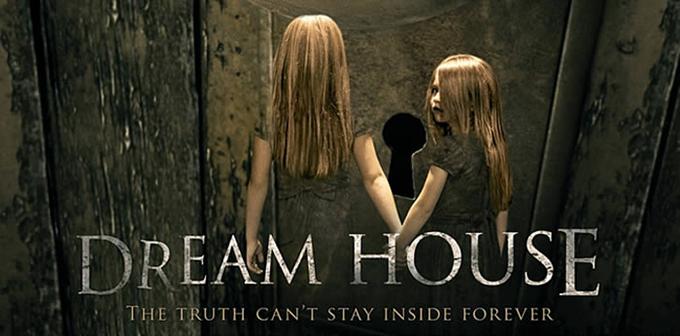
Don’t you hate it when you buy a new house only to find out it was the scene of some grisly murders? Such is the case with Jim Sheridan’s schizophrenic psychological thriller “Dream House” – well, kinda. This is a movie featuring loads of talent and at its core a familiar but fairly interesting story. But it’s also a movie plagued with amateurish writing and an off-the-rails ending that undermines everything the movie tries to do.

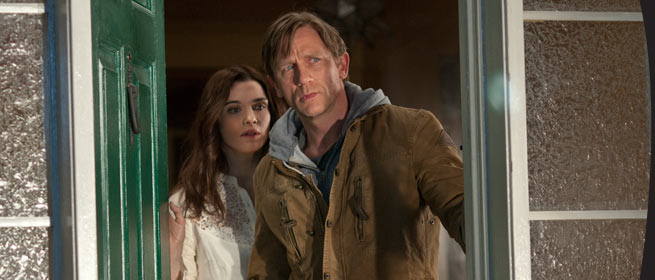
The film starts with the standard yet pretty interesting haunted house treatment. Will (Daniel Craig) has quit his job as a successful editor to spend more time with his wife Libby (Rachel Weisz) and his two daughters in their new suburban home. As always things seem lovely at first. But through several discoveries they find out that five years earlier some horrible murders had taking place in their home. Their weird-acting neighbors and the uncooperative Police Department sends Will on an investigation of his own.

It’s here that the movie offers a big twist, and then another twist, and then another twist. Now I’ve always appreciated when a movie tries to shake things up. But here it’s done in a hamfisted and clunky way. The first big reveal does offer promise although it doesn’t necessarily take things in a better direction. From there the story launches into several different directions mimicking everything from “Shutter Island” to “The Shining”. This wouldn’t be a problem except everything feels fractured and manufactured and the constant shifts in tone are jarring. It just keeps throwing things at you right up to its ludicrous and off-the-wall ending. I mean the finale is so poorly conceived, so under developed, and utterly preposterous.

A lot of what does work can be contributed to the committed performances from Craig and Weisz. While the material is all over the place the two do inject some energy and spark into the script and I enjoyed them on screen. On the flip side, the usually good Naomi Watts seems bored playing a neighbor who knows more than she’s letting on. And then you have an equally flat performance from Marton Csokas as her jerk ex-husband. He ends up having a fairly important role in the movie but he’s without a doubt the worst written character in the entire film.

“Dream House” is ambitious and it starts on a pretty good note. But all of its ambition ends up being its undoing. Yet while critics have universally panned it, there are certainly worse thrillers out there. In fact, “Dream House” is a very watchable movie and it’s easy to digest. But it’s also an easy movie to forget and unfortunately it’s plagued with too many faults to forgive. And the biggest bummer is that all of this great talent simply goes to waste.

VERDICT – 2 STARS

“The Descent” – 4 STARS

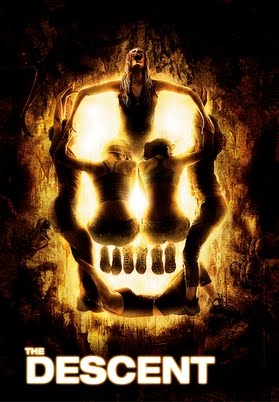
When it comes to horror movies, we’ve seen it all. Whether it be haunted houses, possessions, zombies, vampires – Hollywood has explored them all in a variety of different ways. I think that’s one reason “The Descent” works so well. This is a fresh and original horror movie concept that also has its share on genuine scares. Writer and director Neil Marshall brushes with several unique strokes in crafting a film that bucks many of the genre’s trends while never running away from what makes the genre great. “The Descent” is a fairly simple piece of survival horror but don’t let the straightforward narrative fool you. It’s also a gruesome edge-of-your-seat nail-biter that will remind you of just how entertaining a well conceived horror movie can be.

One of Marshall’s touches that I really liked was his decision to make this a predominantly female story. It couldn’t have played out any better. Its been a year since Sarah (Shauna Macdonald) lost her husband and daughter in a tragic car accident. Five of her adventurous friends plan a caving trip that they hope will help Sarah who is still struggling with her loss. There’s a fun and playful dynamic established between the girls and we get a brief introduction to each of them during their overnight stay in some mountain cabins. Juno (Natalie Mendoza) is the ring leader who organized the entire outing. Early the next morning she leads the girls out to a remote cave entrance and they begin their adventure. As they make their way deeper into the caves, Sarah is nearly killed during a cave-in that blocks their way out. It’s here that Juno reveals that she has taken them to a set of caves not recognized in the guide book and that no one knows where they are. Alone and scared, the group sets out to try to find a way out.

The movie does a fantastic job of making the cave the women’s first big enemy. They’re forced to manuever tiny crawlspaces, deep chasms, and jagged ledges all hidden in the pitch-black darkness. Marshall’s camera puts the audience in the same dark and claustrophobic conditions as the characters. He also masterfully manipulates light and sound to give the caves a greater sense of danger. The women use helmet-mounted lights, flares, and light sticks which offer the only illumination amid the darkness and clouds of dust. He also heavily uses sound to help create a tenser ambiance. There are the cavernous echos, the clanging metal of the climbing gear, crumbling rock, and water drips. This is perfectly realized and intense environment really drew me in.

But the cave isn’t the only enemy. As they are forced deeper underground, they cross paths with a pack of vicious and carnivorous creatures. This is where “The Descent” moves from suspenseful survival to full-blown horror and let me say that it’s mighty effective. It’s basically a “lets see who makes it out alive” story but it’s hard not to be hooked. The intensity really amps up and the scares are authentic. I rarely jump even while watching my favorite horror movies. But “The Descent” got me on several occasions and not with the cheap, conventional tricks that we see so often. The creatures are frightening and when you throw them into the already established dark and creepy environment, you have a wonderful horror mixture.

“The Descent” is a fine horror movie but it isn’t perfect. While I was able to stay interested in the six main characters, I couldn’t help but want a little more character development before diving straight into the caves. The performances are solid and the characters are interesting. But it felt as if there was information left out that would have given the women and their relationships more depth. In fact, there are hints at an underlying tension between Sarah and Juno prior to their adventure (and I’ll leave it at that) but we only get small tastes of that. I would have liked to see more. And then there are some head-scratching questions that the story doesn’t seem to anticipate. One thing we see after the creatures make their appearance are bones, lots and lots of bones. Some are from animals but there are tons of human bones. I couldn’t help but wonder how that hundreds of people could have been killed in that area and it not be noticed? Wouldn’t it be well-known that people were disappearing in that neck of the woods?

While those negatives did stand out to me, they certainly didn’t ruin the movie. “The Descent” was a welcomed change from the traditional horror film formula. It incorporates several familiar techniques that we’ve seen in everything from psychological to slasher horror. But they’re used in a unique and fresh environment and I was hooked from the moment they entered the cave. This isn’t a movie for the faint at heart. Things get pretty gory as we get further into the picture. But for old-school horror fans, it’s a perfect fit and when you toss in some genuine scares and a superb cast you have a nicely packaged modern horror film.

REVIEW: “Damsels in Distress” (2011)

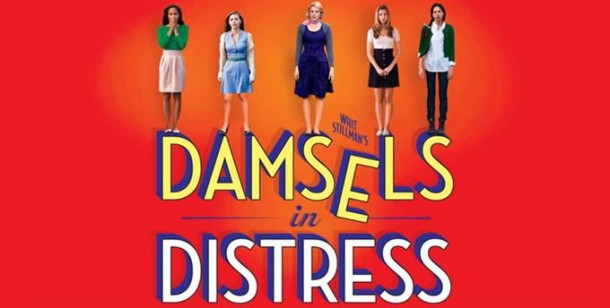
There’s few things better than being pleasantly surprised by a movie that you really weren’t expecting much from. Such was the case with “Damsels in Distress”, a quirky comedy written and directed by Whit Stillman. It’s almost impossible to put “Damsels in Distress” in a box or compare it to any other comedy out there. It’s an entirely unique movie that’s driven by its slick dialogue, cleverly constructed narrative, and its own special sense of humor. It’s not a movie that will have you constantly laughing out loud. But if you’re like me, you’ll be smiling all the way through it.

The story takes place at the East Coast college of Seven Oaks and focuses on a group of three eccentric girls with very unusual perspectives of college, boys, and life in general. Violet (Greta Gerwig) is the awkward and gawky group leader, Rose (Megalyn Echikunwoke) is Violet’s cynical long-time friend, and there’s Heather (Carrie MacLemore) whose peppy and agreeable demeanor fits perfectly with her two more verbal friends. The group finds fulfillment and purpose in things such as fashion and hygiene while making it their goal to enlighten and positively influence the degenerated student body around them. At the orientation for new students, the group almost forcibly takes a freshman, Lily (Analeigh Tipton), under their wings and makes it their mission to enlighten her on the keys to survival and achievement at the university.

The first thing I noticed about the film was the razor-sharp writing. This is most clearly evident in the dialogue. The girls converse about everything from frat houses to soap fragrances. So often their conversations wander off into hilariously absurd directions but Gerwig, Echikunwoke, and MacLemore deliver their lines with a deadpan sincerity that sell it completely. Most of the groups goals and perspectives come from Violet and stem from her need to be needed as well as her almost desperate pursuit of purpose. She heads the campus suicide prevention center. She prefers loser guys, or “doufi” as we come to know them, because they need stable and calming forces in their lives. She wants to start a new dance craze because of the emotional value past crazes have had on society. There is an almost sad undercurrent to the Violet character. In with the genuinely funny moments are scenes that show her to be a pitiful, sad, and sympathetic person. In fact, Stillman uses a clever trick of baiting the audience into laughing at the girls and then having us feel bad about doing so.

But there’s more going on that just this small group of eccentrics talking back and forth. We meet moronic frat guys who make the girls seem like Rhodes Scholars, a clinically depressed group who find tap dancing therapeutic, a self-absorbed Frenchman with a, shall we say, backwards religion, and several other side characters that work really well within the story. I also appreciated how this is a college movie that doesn’t cling to the conventions of most other college or frat films. I enjoyed the innocence and naivety that gives the movie a uniqueness and freshness that I haven’t seen in a while.

“Damsels in Distress” certainly can’t be called a traditional Hollywood comedy. But it’s certainly a good one. That being said, I can still see where it may not connect with some people. It’s quirky and unusual but also impressively intelligent in its silliness. I couldn’t get enough of the bizarre conversations, the straight-faced line deliveries, and the playful look at college life. But there is also some heart mixed with the humor that surprisingly works well. I’ve watched “Damsels in Distress” twice now and found that it only gets better. It’s a movie that has flown under many people’s radar but it deserves an audience. Especially considering the number of subpar films these days that pass as comedies.

VERDICT – 4.5 STARS

REVIEW: “The Deep Blue Sea”

“The Deep Blue Sea” is a British drama written and directed by Terence Davies and based on a play of the same name by Terence Rattigan. It’s an interesting character-driven story about a struggling woman who’s wedged between a passionless marriage and a passion-fueled romance. It’s not a bold or extravagant picture but it’s a good one mainly due to two incredible performances by its leads.

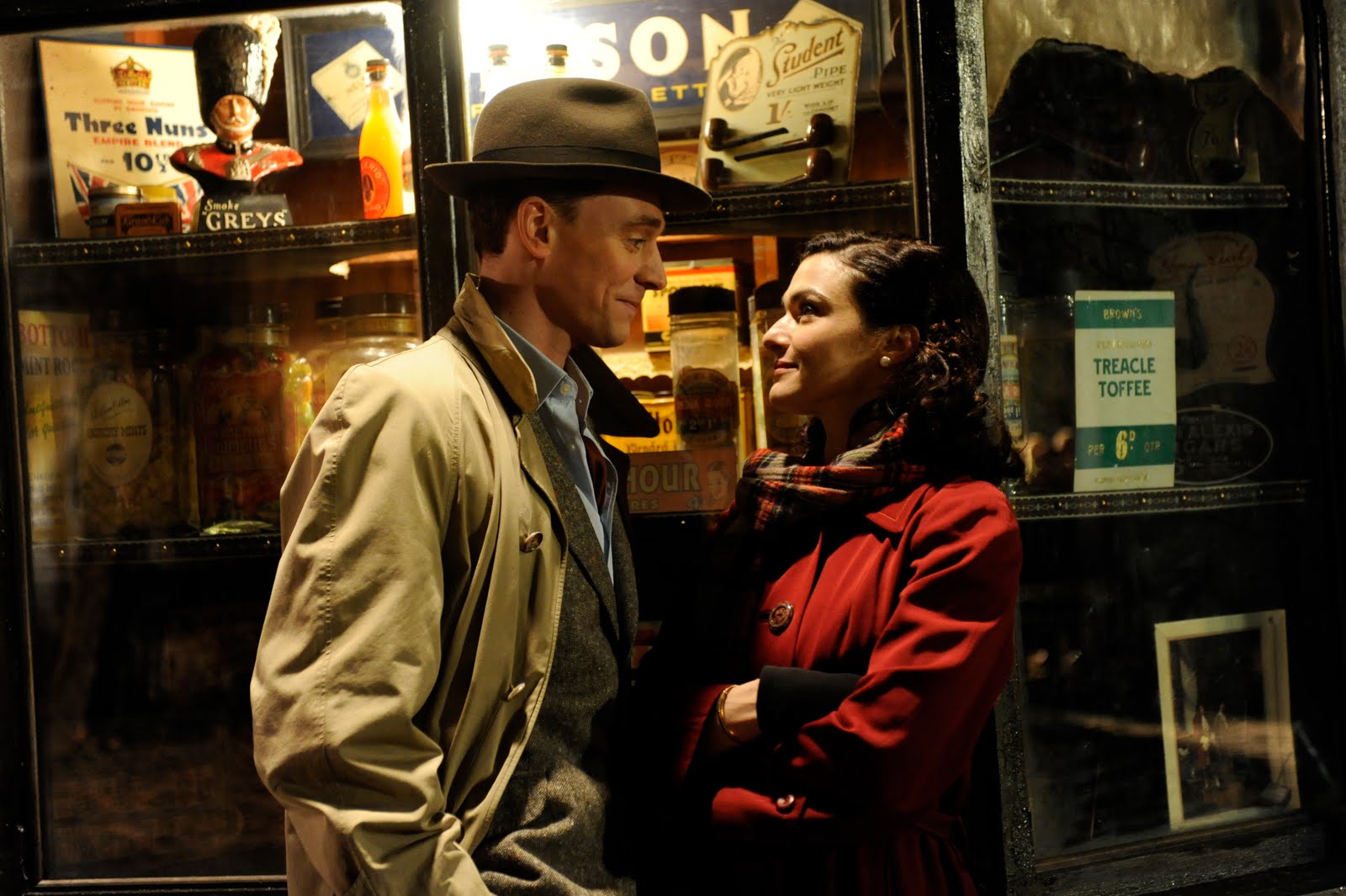
The story takes place sometimes “around 1950”. The movie opens with Hester (Rachel Weisz), a troubled and depressed woman, attempting to take her own life. From there the story unfolds through a series of flashbacks sprinkled throughout. They tell the story of Hester’s lifeless marriage to a devoted but passionless Court Judge (Simon Russell Beale) and her eventual fling with Freddie Page (Tom Hiddleston), a pilot and war hero. Hester is a quiet and reserved woman with a genuine affection for her husband. But there is an emotional disconnect between the two which is most evident during a visit with his domineering mother. In a different flashback we see her meeting and eventually falling for the charismatic Freddie. In an almost puppy-love way, she’s struck by his vivacity and ‘live for the moment’ mentality which leads her to make a costly decision.

I like how the film doesn’t portray infidelity in a light-hearted way. Hester’s choice is costly and most certainly has consequences. I don’t want to give away too much but there are clear ramifications to her actions both physically and emotionally. Rachel Weisz is very good as Hester and she handles the character extremely well. When asked what drew her to the role, Weisz spoke of her attraction to playing someone who had fallen so hopelessly in love and completely humiliated herself in the process. I found Hester to be a frail and sometimes childlike character whose poor choices are rooted more in new emotions and new passions than a true understanding of love.

Tom Hiddleston is fantastic as Freddie. I’ve become a huge Hiddleston fan as he seems to have a natural ability when it comes to acting. Whether he’s portraying a classic literary figure or a comic book supervillain, Hiddleston commands the screen and never seems to struggle with the material he’s given. Here he sells us completely on Freddie’s free-spirited energy. But he shows us another side of the character which causes us to question not only him but his motivations.

“The Deep Blue Sea” moves and feels like a play. The performances drive the movie and the two leads give top-notch work. The sets also capture a compressed but precise 1950’s vibe that is perfectly fitting for a story so ill-advised and taboo. I do think the movie would have better served by a smarter and more fluid use of the flashbacks. There were a few instances where I thought the jumps did more to hinder the storytelling than help it. I also struggled a bit with Beale’s character. While Beale’s performance is solid, I never could wrap my mind around his character. He was sympathetic but yet seemed emotionally inconsistent. These gripes don’t kill the movie by any means, but they do hold it back.

VERDICT – 3.5 STARS

3-5-stars

REVIEW: “The Dark Knight Rises”

The superhero genre has been going strong for several years now and I’ve been wondering when was it going to run out of steam. At what point was the quality of the films going to suffer leading audiences to say enough is enough? In 2005 Christopher Nolan made a great contribution to the genre with “Batman Begins”. He followed it up with 2008′ s phenomenal “The Dark Knight”, a film that was not only one of the best sequels ever made but a demonstrative statement showing that superhero films can be legitimate and powerful forms of cinematic entertainment.

That brings us to “The Dark Knight Rises” the final film of Christopher Nolan’s Batman run and the end of what could easily go down as one of the best movie trilogies in motion picture history. “The Dark Knight Rises” is smart, layered, gritty, moving, and action-packed. Nolan not only wraps up his series in a competent and satisfying way, he gives us one of the most potent and energetic movie experiences you’ll find – a near perfect mix of comic book action, socially reflective drama, and expert storytelling. If these are the kinds of films we could get regularly from the superhero genre, I see no limit to their lifespans.

This film takes place 8 years after Batman rode off into the shadows at the end of “The Dark Knight”. Batman is a fugitive, unjustly but willingly, wanted for the murder of Harvey Dent. There have been no Batman sightings during this time and crime in Gotham City has declined due to an inspired city leadership and law enforcement armed with the Dent Act. Bruce Wayne (Christian Bale) has become a hobbled recluse, spending all of his time in a closed off wing of Wayne Manor where long-time family friend and faithful butler Alfred (Michael Caine) is his only contact with the outside world. Gotham has become lethargic in its approach to crime and peace time has made the city leaders careless. Everyone except commissioner Jim Gordon (Gary Oldman) and Officer Blake (Joseph Gordon-Levitt), a devoted young patrolman. With their guard down, the city is hit head-on by a brutal but calculated terrorist named Bane (Tom Hardy). Bane’s destructive assault on Gotham cripples the city and as all-out anarchy takes hold, the need for Batman is greater than ever.

Morgan Freeman also returns as Lucius Fox, Bruce Wayne’s close friend and acting president of Wayne Enterprises. Fox is struggling to keep the company afloat following the poor position Bruce left him in. In addition to Hardy and Gordon-Levitt, Anne Hathaway joins the series as Selina Kyle, a cat burglar who steals out of Robin Hood-like motivations but also with a single more direct purpose in mind. Also new to the cast is Marion Cotillard. She plays Miranda Tate, a Wayne Enterprises board member and philanthropist with a great interest in green energy technology and Wayne’s investments into it. Matthew Modine plays Deputy Peter Foley, a spineless officer who is more interested in making a name for himself by catching Batman than stopping the coming storm at the hands of Bane. We also get Ben Mendelsohn as a slimy self-serving Wayne board member with his hands in deeper in than they should be.

Nolan takes this amazing collection of acting talent and throws them all into his smorgasbord of plot lines and dramatic twists. But he never loses control of the film and everything comes together in an extremely satisfying way. Nolan incorporates several relevent and current issues into the story, none more prevalent than the entire class warfare theme. Selina has a very anti-rich people mindset seeing the wealthy as a key cause to society’s ills. Bane himself seeks to take the power out of the hands of the wealthy, the local government, and law enforcement and give it to the poor and downtrodden. But Nolan doesn’t sugarcoat or promote anything. In fact he shows where an extreme and unbridled class warfare position can lead. Some may say that his presentation is heavy-handed but I felt it worked perfectly in the greater context of the story.

Nolan and his brother Jonathan wrote the screenplay and even with the heavy exposition in the first 30 minutes – clearly intended to fill the audience in on what has transpired during the missing 8 years – the movie moves at a crisp and fluid pace. As with all of Nolan’s pictures, there are layers of story that unfold to reveal deeper meanings and cool dramatic twists that should please both comic book fanboys and lovers of good storytelling. He doesn’t dumb things down nor does he ever patronize the audience. The film sets the table for us then causes us to attentively hang on for dear life – a most pleasing challenge. Much like “The Dark Knight” there are no shortcuts here. The film isn’t just a loud summer studio comic book adaptation. It’s brilliant cinematic storytelling that takes a superhero concept, laces it with a true sense of reality, and presents it to us in a beautifully crafted package. Another example of why Christopher Nolan is one of our best directors and visual storytellers.

I’ve mentioned the cast but they deserve more than just a few words. Bale IS Batman and this is his strongest work of the entire series. We see him as a broken and vulnerable man as well as the growling caped crusader. Bale has no problems relaying either to the audience. Anne Hathaway is also very good as Catwoman (even though she’s never called Catwoman) and while I wasn’t certain she completely belonged in Nolan’s more realistic Batman universe, he never overdoes the character and Hathaway sells her well. Tom Hardy will undoubtedly face comparisons to Heath Ledger’s Joker from the last film but that’s terrible unfair. The two villains couldn’t be more different and Hardy’s Bane easily stands on his own. Hardy spends the entire film behind a mask but his body language and brute swagger makes him a most menacing villain. Gary Oldman is fantastic as always as was the lovely Marion Cotillard. Michael Caine is wonderful and has some of the best exchanges with Bale. Unfortunately he disappears in the second half of the film. And Joseph Gordon-Levitt continues to prove he is a solid young actor. Perhaps the only weak spot was with Matthew Modine who I never really bought into. His character only adds one small thing to the story and Modine never makes him all that compelling or interesting.

Technically “The Dark Knight Rises” is the jaw-dropper I expected it to be. Nolan’s stylistic flare and incredible camera work do a great job of capturing the panic and dread of a city under siege. The special effects are stunning and the action sequences are big and boisterous. Nolan gives us some new Batman toys as well as some old favorites and they’re used in several cool crowd-pleasing ways. I also loved the fight choreography. You know by the trailer that there is going to be a Bane and Batman showdown and Nolan builds it up with undeniable intensity. Then when the payoff comes, we aren’t hampered by herky-jerky camera movements. Instead Nolan lets the fights take place without any fancy gimmicks. It was incredibly satisfying. I also loved Hans Zimmer’s score. Some have voiced dislike for his ever-present pounding music but it worked for me. I felt it contributed to the intensity that the film is going for just as Zimmer’s scores have done for the previous two Batman movies.

“The Dark Knight Rises” once again plunges the people of Gotham and us into the depths of fear and dread while examining evil and the darker side of society. Yet the film always allows us hope. This is certainly another dark story but the stakes are high and the ending is exceptional and rewarding and the perfect goodbye to a phenomenal trilogy. I wanted to stand and applaud. The film stretches the boundaries of the comic book genre. It’s large in scale, full of story, and absolutely engrossing throughout it’s almost 3 hour running time. “The Dark Knight Rises” is far more than simply great. It’s a modern classic featuring mesmerizing performances, fist-pumping action, and genuine intelligence. It’s a visual spectacle. It’s emotionally and intellectually stimulating. It’s a text book lesson on the melding of big budget flamboyance with smart and challenging storytelling. It’s hard to accept that this is Nolan’s final Batman film but he has given us a gift – a groundbreaking series of films capped by a truly glorious finale. What a ride it’s been and what a way to end it.

VERDICT – 4.5 STARS

4.5 STARS

REVIEW: “Deliverance” (1972)

The 1972 nature thriller “Deliverance” is considered to be a landmark film that’s still held in high regard. It’s based on and follows closely James Dickey’s novel from 1970. Dickey played a key role in bringing the film to the big screen. He wrote most of the screenplay along with director and producer John Boorman. Dickey even has a small role in the film as the sheriff that we see close to the end. “Deliverance” went on to earn three Academy Award nominations including Best Picture and Best Director and it’s preserved in the National Film Registry by the Library of Congress..

But for us moviegoers, those things aren’t what “Deliverance” is remembered for. The movie took the man versus nature dynamic, injected several disturbing regional elements, and created a unique thriller that still holds up today. It’s the story of four Atlanta “city boys” who drive into the forested north Georgia hills to canoe down the Cahulawassee River before it’s ruined by the construction of a dam. Lewis (Burt Reynolds) is the only one that could be called a true outdoorsman. Ed (Jon Voight) has a little experience with camping. But Bobby (Ned Beatty) and Drew (Ronny Cox) are new to the wilderness.

The four take off through the hills looking for the most remote place to drop their canoes. But before hitting the water they need to find someone to drive their vehicles ahead to where their canoe trip ends. They come across the home places of some mountain locals and we immediately see they are out of their element. Boorman and Dickey create a pretty thick tension between the two groups that is only eased when Drew (who is plucking his guitar while waiting on Lewis) is joined by a local boy and his banjo. This is one of the film’s most memorable scenes but for me it’s also the best. The two play “Dueling Banjos”, a composition by Arthur “Guitar Boogie” Smith. The song was incredibly popular and will always be associated with “Deliverance”. The problem is it was used without permission which led to a lawsuit. But it’s perfect for the scene which really sets the tone for the entire film. There is a sweetness about the scene but more than that there is a creepiness to it as well. The young banjo player (played by Billy Redden) has the look of being inbred and as a result perhaps mentally retarded. We see him one more time on an overhead bridge as the boys head down the river. It’s a creepy scene that sets the table for what’s ahead.

The guys are able to hire some locals to take their vehicles downstream and they soon find themselves on the river. They go on the trip with the intentions of enjoying nature’s beauty but they also encounter some of nature’s harsh challenges. Things are made even more difficult when they cross paths with two armed backwoods mountain men (Bill McKinney and Herbert Coward). A violent encounter follows which turns their trip deadly. If you haven’t seen the film, I won’t ruin it for you, but the four find themselves fighting for the lives. The sharp contrast between the sheer beauty of their surroundings and the threat it poses is ever-present and the twisted hillbillies seem like another arm of nature.

The movie was filmed on the Chattooga River between South Carolina and Georgia. The locations perfectly compliment the story and it’s easy to get lost in the beauty of the environment.  Boorman captures the high cliffs, raging rapids, and green lush forests with some sharp and clever camera work. And aside from the wonderful “Dueling Banjos”, the film’s carefully implemented score mixed with the natural ambience is perfect for the tone that Boorman is trying to maintain. The visuals and sound are a big reason that “Deliverance” works so well.

Also worth noting are the fantastic performances. Burt Reynolds is very good as the tough guy of the group. He flexes his brawn through his tight leather zipper vest and at times you truly believe the groups survival depends on him. Actually Voight carries most of the screen time and he’s very good. The movie is also significant in that it features the debut performances from Ned Beatty and Ronny Cox. All four are very well cast. The movie is also strengthened by some great smaller supporting roles which bring the locals to life. McKinney and Coward are believable and terrifying and I still find Redden’s character one of creepiest I’ve ever seen. Oh, and keep an eye out for a young Ed O’Neil in a small role as a policeman close to the end of the film.

While “Deliverance” is a good movie, I do think it stumbles a little at the end. It’s not that it’s a bad ending, it just doesn’t measure up to the level of intensity and suspense that had built up throughout the film. The ramifications of the events that take place do come to a head and certain decisions have to be made. But they never feel as important or as pressing as they should be. I don’t mean to second guess Dickey’s script, but it seems as though he could have put together a tighter and more satisfying ending.

Even though it may not end as strongly as it starts, “Deliverance” is a memorable movie and like I said, it still holds up today. Anchored by some solid performances, strong direction, and a sharp aesthetic, “Deliverance” creates an atmosphere as threatening as it is beautiful and throws it’s characters right in the middle of it. It’s a haunting and sometimes unnerving ride that will leave you never wanting to vacation in the south again.

VERDICT – 4 STARS