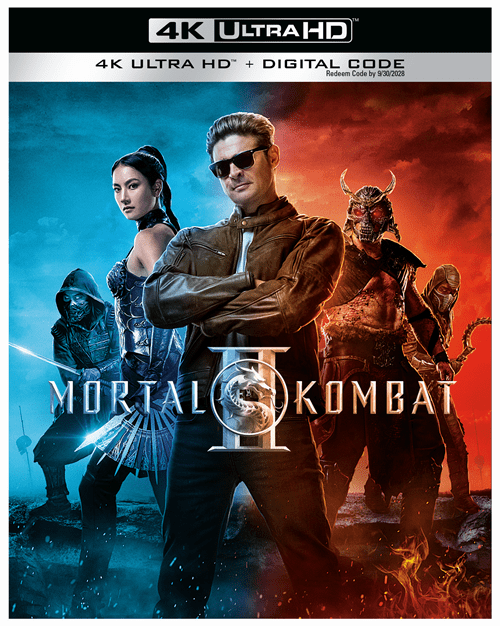
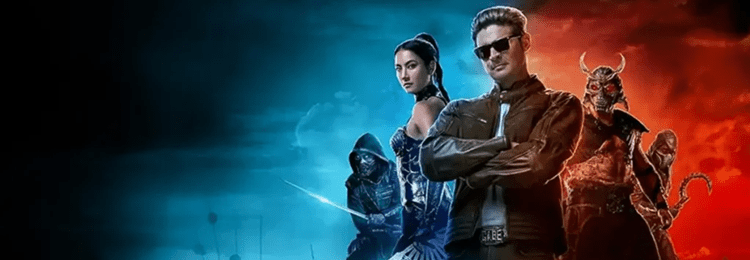
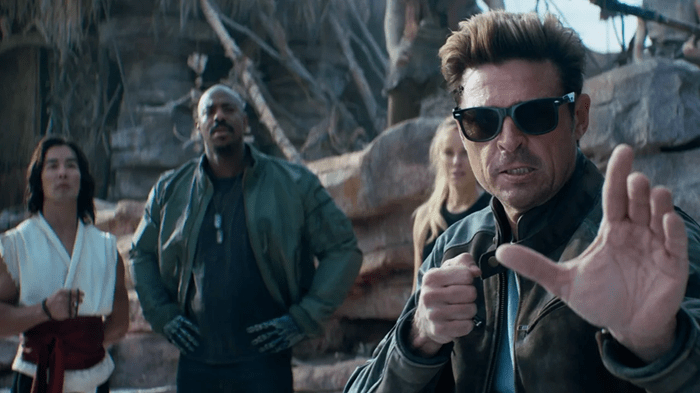
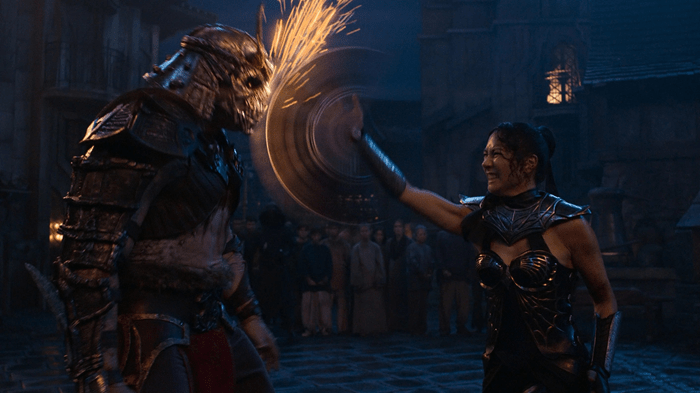
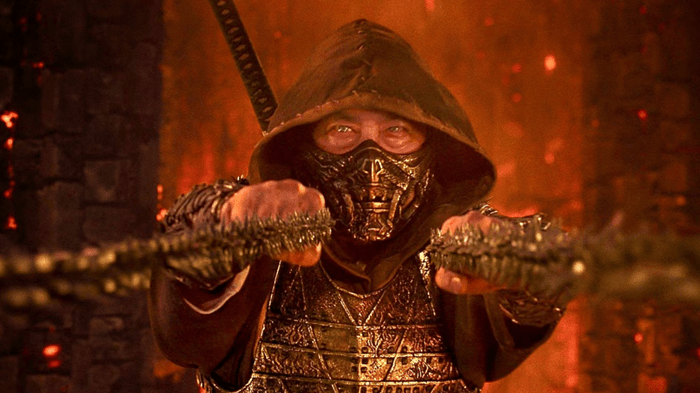
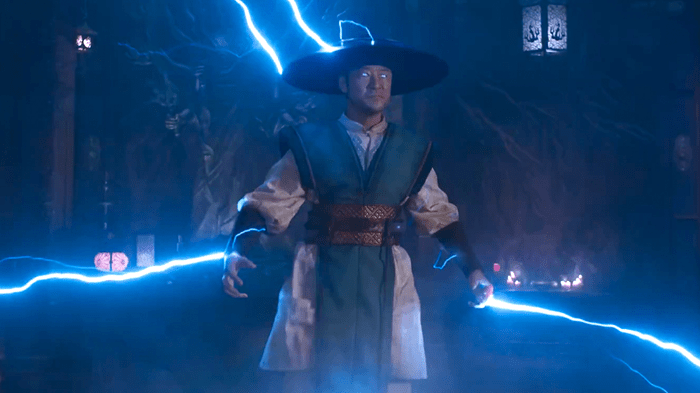
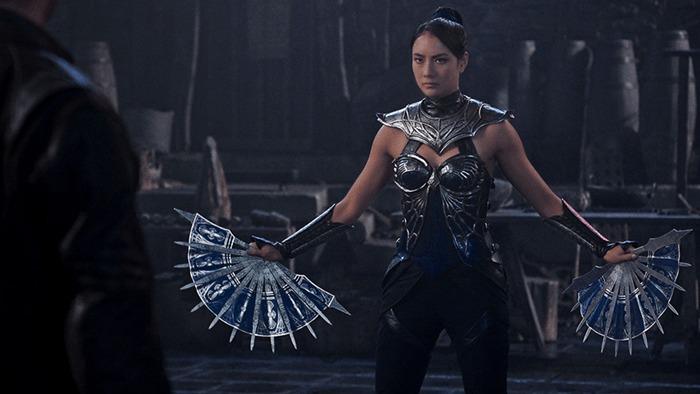
Warner Bros. Discovery Home Entertainment is bringing “Mortal Kombat II” to home video. This action, fantasy, martial arts mashup is based on the popular, long-running video game series that was created by Ed Boon and John Tobias. It’s a sequel to 2021’s “Mortal Kombat” which served as a fresh reboot with ambitions to take the movie universe even further. “MKII” saw Simon McQuoid return to direct and Karl Urban join the franchise as the fan-favorite character Johnny Cage. And now franchise fans can bring the sequel home.
“Mortal Kombat II” will be available to own July 28th on 4K Ultra HD + Digital Copy . See below for a full synopsis of the film as well as release information including a list of special features.
About the Film:
Year: 2026
Runtime: 116 Minutes
Director: Simon McQuoid
Screenwriter: Jeremy Slater
Cast: Karl Urban, Adeline Rudolph, Jessica McNamee, Josh Lawson, Ludi Lin, Mehcad Brooks, Tati Gabrielle, Lewis Tan, Damon Herriman, Chin Han, Tadanobu Asano, Joe Taslim, Hiroyuki Sanada
Rated R for strong bloody violence and gore, and language
This time, the fan favorite champions—now joined by Johnny Cage himself—are pitted against one another in the ultimate, no-holds barred, gory battle to defeat the dark rule of Shao Kahn that threatens the very existence of the Earthrealm and its defenders.
Special Features:
Mortal Kombat II 4K UHD contain the following special features:
Mortal Kombat II: Evolving the Saga (Featurette)
Returning characters, new alliances and even bigger fatalities! Go behind the scenes to learn all that went into creating the latest chapter in the Mortal Kombat film saga and how the sequel expands the universe to bolder, bloodier heights.
Building the Realms of Mortal Kombat (Featurette)
From the decaying streets of Edenia to the terrifying Pit featured in the iconic video game series, discover how the Mortal Kombat II design teams blended practical sets with groundbreaking VFX to create the legendary realms in the film.
Mortal Kombat II: Choose Your Fighter (Featurette)
Awaken your Arcana as you meet the cast and explore the brutal weapons, epic costumes and fierce training that went into bringing their characters to life.
Klose Quarters Kombat (Featurette)
Cast members and key creatives share insights into how the stunt preparation, intense fight scenes and weapons training shaped both classic moves and new, merciless combat styles.
A “Boon” to Gamers Everywhere (Featurette)
Sit down with chief Mortal Kombat mythmaker and creator Ed Boon for a deep dive into the franchise’s storied history and ongoing evolution that spans three decades of near-infinite games, films and comics, culminating with the live-action sequel.
With the release of his brilliantly made and enormously successful new film “The Odyssey”, Christopher Nolan has once again proven himself to be the most bankable filmmaker working today. After just eleven days the three-hour, R-rated epic has made a staggering $639 million at the global box office. And it’s showing no signs of slowing down. Many projections now have the film easily clearing the $1 billion mark by the end of its theater run.
This is no fluke. Nolan’s extraordinary gift for cinematic storytelling has been evident since his debut feature in 1998. And he has only gotten better over time. His movies have become major events that draw huge audiences. And it doesn’t matter if he’s adapting a massively popular superhero or making a biographical drama of a theoretical physicist. People come for the compelling stories and stunning craftsmanship that have become synonymous with a Christopher Nolan movie.
With “The Odyssey” still dominating theaters, what better time to do an updated ranking of Christopher Nolan’s now thirteen feature films. Impressively, Nolan has yet to make a bad movie so there are no bad movies on this list. But over the years several of his works have stood out over the rest (at least for me). So here is my personal ranking of Christopher Nolan’s oeuvre. Be sure to share your personal favorites in the comments section below.
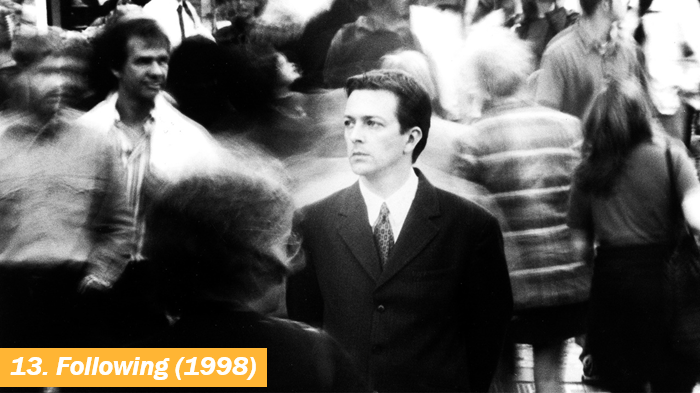
“Following” easily stands as Christopher Nolan’s smallest, shortest, and least expensive film. Yet even within this underrated debut feature, we get glimpses of the groundbreaking filmmaker he would quickly become. Shot in 16mm black-and-white for roughly $6,000, this neo-noir thriller tells the story of a struggling writer who gets drawn into the criminal underworld after following strangers around the streets of London looking for inspiration for his novel. While the budget limitations do come into play, it remains a compelling watch and an exciting precursor to what was to come.
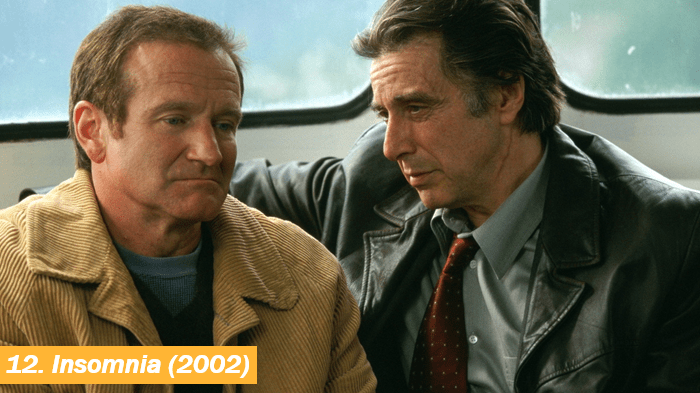
The psychological thriller “Insomnia” remains the only film in Christopher Nolan’s filmography that he directed yet didn’t write. “Insomnia” is a remake of a Norwegian film of the same name, yet a young Nolan brought his own creative vision to the riveting story about a murder in Nightmute, Alaska. It was a movie of many firsts for Nolan. It was his first studio film and it was his first chance to work with true A-list actors (Al Pacino and Robin Williams). It’s a strong film yet not many people talk about “Insomnia”. Perhaps that’s why Nolan considers it his most underrated movie.
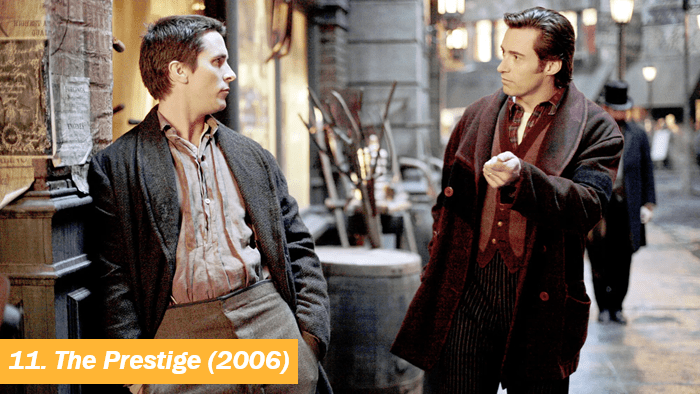
Of all the great films in Christopher Nolan’s catalog, it’s amazing how many hold “The Prestige” in such high regard. And rightly so. It’s truly unlike anything else he has made. The very idea of a period thriller set in the world of illusion featuring Hugh Jackman and Christian Bale as rival magicians sells the movie itself. But what makes it great is Nolan’s impeccable narrative control that keeps us immersed and wondering every step of the way. Stunning visual detail and period-rich atmosphere work hand-in-hand with Nolan’s wily script to make this one of the his more unique films.
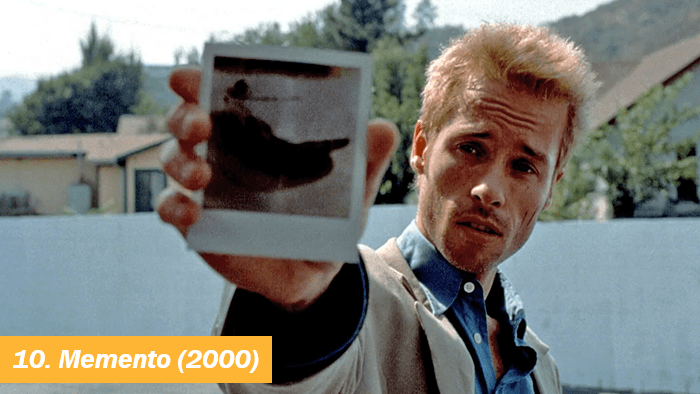
The audacious “Memento” could easily be considered the movie that put Christopher Nolan on the map. And it was only his second feature film! The movie sees Nolan teaming with actor Guy Pearce (a duo who I’d love to see collaborate again) to tell a story that took the filmmaker’s love for non-linear narratives to crazy heights. Pearce plays a man with anterograde amnesia who works to piece together clues in hopes of uncovering who murdered his wife. It’s an intensely challenging yet thoroughly rewarding movie that still resonates with its many passionate fans.
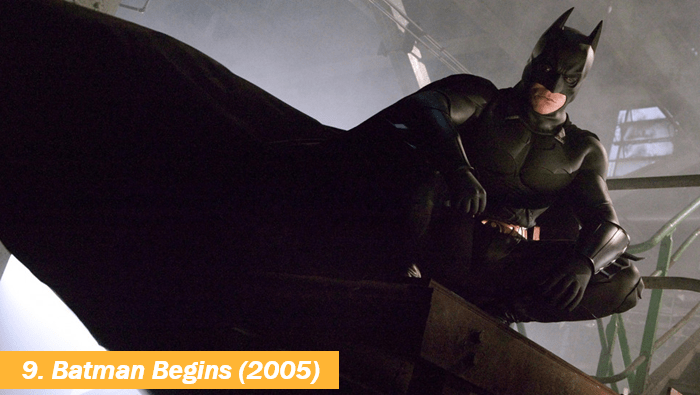
With “Batman Begins” Christopher Nolan kicked off his brilliant Dark Knight trilogy with a bang. While the movie is often overshadowed by its universally acclaimed big brother “The Dark Knight”, Nolan’s first foray into the superhero genre immediately turned heads. It gave us a fascinating introduction to the popular DC character that was darkly psychological yet brimming with the kind of superhero action that fans hoped for. But ultimately it was Nolan’s unique vision that gave the classic character and his compelling world an entirely new spin.
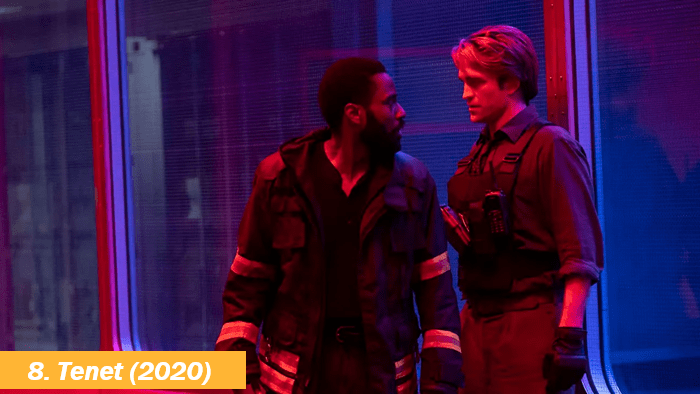
Perhaps the most debated Christopher Nolan film is his audacious science-fiction action thriller “Tenet”. It’s definitely Nolan’s most challenging movie, requiring audiences to remain laser-focused if they are to unlock the story’s time-bending puzzle. Some found it too cerebral for its own good. I found it to be an exhilarating experience that paid huge dividends for those who put in the work. It’s also a jaw-dropping visual feast, with action set pieces unlike anything we’ve seen before. I understand the pushback it sometimes gets. But “Tenet” still stands as Nolan’s boldest and most original movie to date.
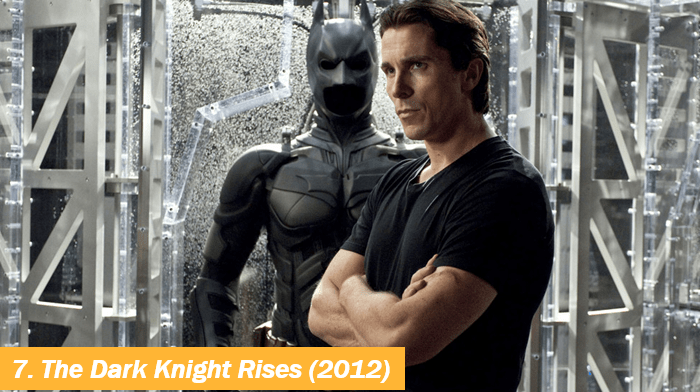
Christopher Nolan wrapped up his Batman trilogy with a final film that went bigger than either of its two predecessors. And while it may not have reached the immeasurable heights of the second installment, “The Dark Knight Rises” put a satisfying exclamation point on Nolan’s Batman run. It features great character moments, some stunning set pieces, and the same gritty and grounded realism that makes these films still stand out today. “Rises” has a lot of moving parts and they take a while to fall into place. But once they do, we can’t help but be blown away by this sensational finish to a sensational trilogy.
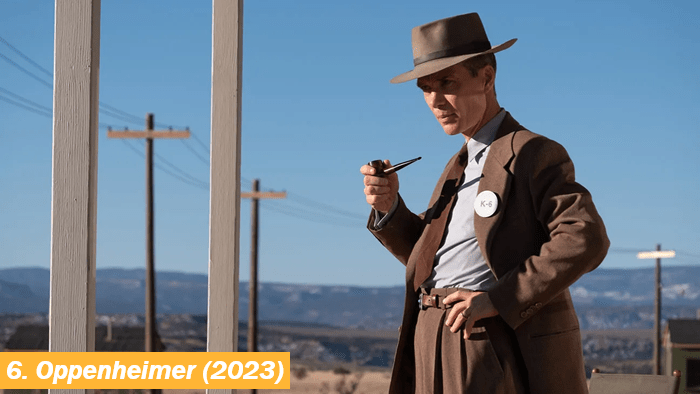
Who on earth would have guessed that a talky three-hour biopic of a theoretical physicist would nearly hit $1 billion at the box office? Yet Christopher Nolan’s absorbing treatment on the life of J. Robert Oppenheimer did just that. With a cast that is top-to-bottom superb, a propulsive script, and some stunning craftsmanship, “Oppenheimer” not only wow’d moviegoers but awards voters too. The film would go on to win seven Academy Awards including Best Picture and Nolan’s long overdue first Oscar for directing. Without question, it stands as one of the greatest biopics ever made.
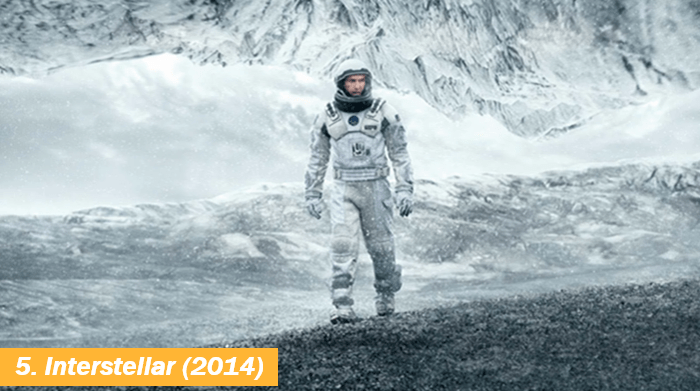
It can best be described as a dystopian science-fiction epic. But in truth, there is a lot more going on at the heart of “Interstellar” than those few words can convey. “Interstellar” is every bit the breathtaking cinematic spectacle you expect from a Christopher Nolan film. But it’s also (arguably) his most heartfelt film. It’s a daring project both visually and conceptually. But it’s the humanity you find at its core that makes it such a compelling entry into the Nolan oeuvre. Now if only we can get a second collaboration between Nolan and his “Interstellar” star Matthew McConaughey.
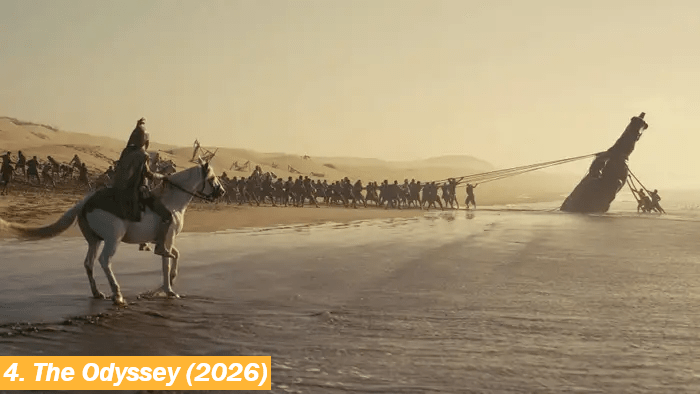
Some may be tempted scream recency bias. But after three viewings of Christopher Nolan’s latest creation, I can confidently say that “The Odyssey” deserves a place among the filmmaker’s very best work. Tackling Homer’s seminal epic was no easy undertaking. But Nolan transports us to the ancient world, honoring the spirit of Homer’s classic while reinvigorating the tale with his own compelling spin. It’s a colossal movie, fueled by the artistic ambition and technical know-how of a filmmaker at the top of his game. Nolan’s “The Odyssey” is epic in every sense of the word.
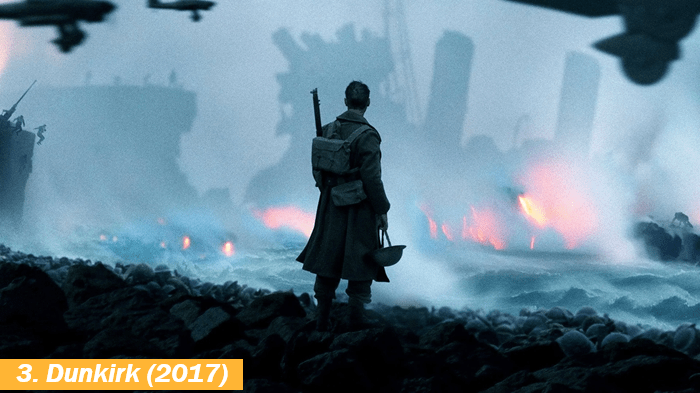
I still remember the sheer elation that rushed over me after hearing that Christopher Nolan was directing a World War II film. And boy did he deliver in spades. “Dunkirk” was an astonishing experience that had me completely engrossed in every thrilling second of its runtime. From the mind-blowing spectacle to the heart-wrenching human cost, Nolan brings his audience into the combat with such staggering proficiency, once again playing with time while offering three unique perspectives on the same harrowing event. I’m still in awe of what he pulls off. It’s no wonder Quentin Tarantino calls “Dunkirk” a masterpiece. I agree.
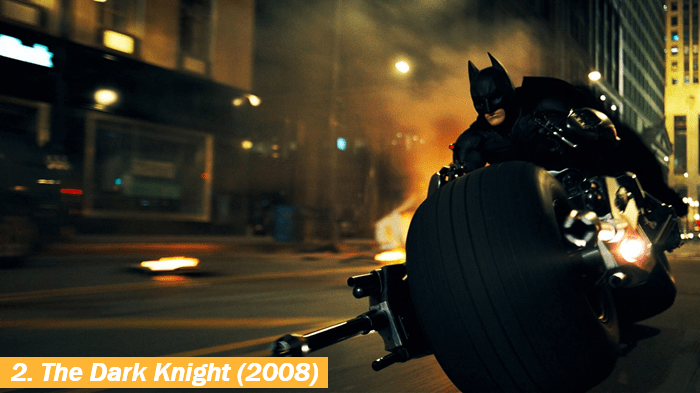
While “Batman Begins” delighted fans by introducing Christopher Nolan’s take on the classic DC character, its sequel, “The Dark Knight” was Nolan’s masterclass on what the superhero genre could be. In my opinion, “The Dark Knight” remains the greatest superhero movie of all time in large part because it transcends the genre. Yet it’s also proudly a Batman movie, with Christian Bale establishing himself as the quintessential Dark Knight and the late Heath Ledger giving us one of the screen’s greatest villain performances as the Joker. Everything in the movie clicks which is big reason why so many rightly consider “The Dark Knight” to be one of Nolan’s very best films.
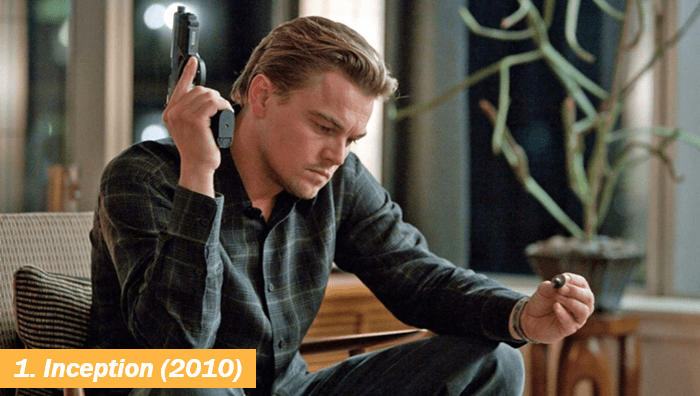
Christopher Nolan has made a habit of blowing me away with his movies. But none blew my mind quite like “Inception”. And while nearly all of his films have stuck with me to varying degrees, none have left a long-lasting mark like his 2010 mind-bending masterpiece. “Inception” melds together both science-fiction and action, but it’s ultimately a heist movie with a Nolan twist – the heists take place within dreams. The concept is bonkers yet brilliantly realized. And the cast is perfectly in-tune with Nolan’s fearless vision. “Inception” is a film unlike any other, and an accomplishment that could only come from one visionary filmmaker.
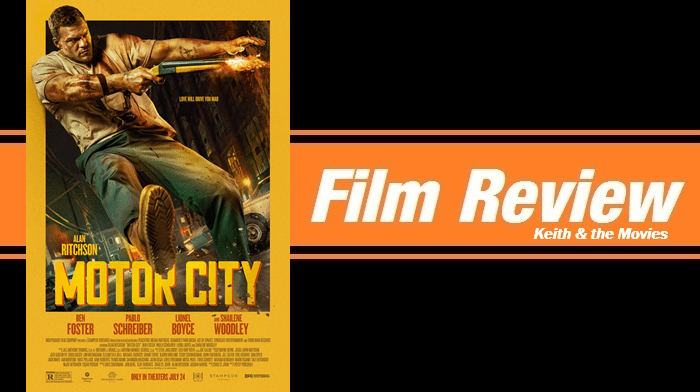
File this one under “Movies That Weren’t What I Expected”. Director Potsy Ponciroli’s latest feature, “Motor City” is full of big action and has a keen sense of style. But what’s notably absent is dialogue. Yes, this action crime thriller boasts an intriguing cast that includes Alan Ritchson, Ben Foster, Shailene Woodley, Ben McKenzie, and Pablo Schreiber. Yet outside of three or four muffled shouts, the film has no dialogue. It’s a conceit that handcuffs the film a bit, but that also energizes it with an inspired creative jolt.
Ponciroli’s previous films include the underappreciated 2021 Western “Old Henry” and the daffy 2024 crime comedy “Greedy People”. His latest is dramatically different than anything he has done before. With “Motor City”, Ponciroli creates and follows his own set of rules. He and screenwriter Chad St. John borrow a handful of ideas from known crime films from the past. But the original flourishes in Ponciroli’s execution are what makes “Motor City” hum.
Image Courtesy of IFC Films
Set in 1977 Detroit, Ritchson plays John Miller, a factory worker just off probation and with big plans to propose to his girlfriend Sophia (Woodley). Through a flashback we learn that Sophia used to be with a sleazy and abusive local gangster named Reynolds (Foster). And the obsessively possessive Reynolds hasn’t gotten over losing her. So he secretly frames John for drug trafficking. Now rather than planning a wedding, John is sentenced to 25 years in prison for a crime he didn’t commit.
After breaking up with John, an angry and heartbroken Sophia struggles to make ends meet on her own which is all according to Reynolds’ plan. He swoops in and takes her back, showering her with a lavish lifestyle while hiding his involvement in setting up her former fiancé. But it doesn’t take long for the abusive Reynolds to once again show his true colors. And Sophia’s life of luxury quickly takes a dark turn.
Meanwhile John gets word that it was Reynolds who set him up and who has Sophia at his mercy. So with the help of two close military buddies, Youngblood (Lionel Boyce) and Singh (Amar Chadha-Patel), John carries out a daring prison break. Once free, he sets his sights on rescuing Sophia and paying back Reynolds for all the pain he has caused. But that proves to be easier said than done, as Reynolds isn’t willing to go down without a violent, blood-soaked fight.
Ritchson, Foster, and Woodley serve up a solid central trio of characters, all of whom seem doomed by destiny in their own distinct ways. At the same time, other actors help to bring a gritty and grimy texture to “Motor City”. Boyce and Chadha-Patel are silent but imposing presences as John’s fiercely loyal friends. Ben McKenzie fits nicely as a noble police detective despite being underused. And Pablo Schreiber is genuinely menacing as a dirty cop on Reynolds’ payroll.
Image Courtesy of IFC Films
Ponciroli does a surprisingly good job developing his story with the absence of dialogue, relying heavily on visual strategy and a committed cast to move the narrative along. He also fills space with a snappy array of period tunes from artists such as David Bowie, The Moody Blues, Fleetwood Mac, Bill Withers, Foxy, and more. Overall it works, yet the lack of dialogue does inevitably add some unnecessary hurdles which can make it tough to understand certain character details and decisions.
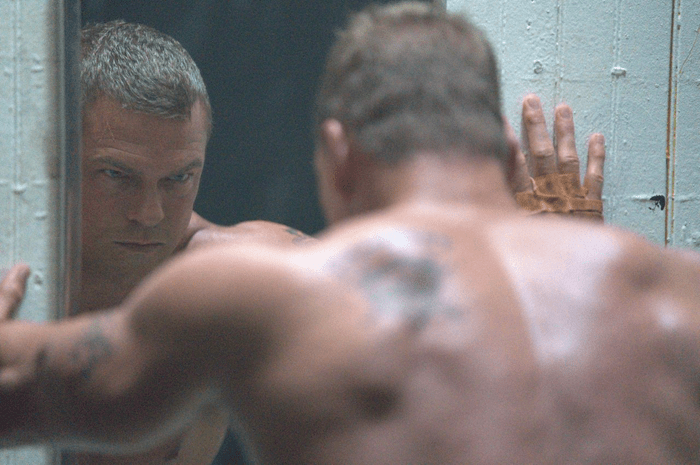
“Motor City” is unquestionably built around one significant conceit. Yet it’s no one-trick movie. The film absolutely nails its gritty 1970s aesthetic (minus a couple of bad hair scenarios for Ritchson). And once it finally comes, the action is electric. It’s highlighted by an incredibly shot and edited elevator sequence that features one of the most savage fights ever put on screen. You literally can’t turn away from the brutality. It’s an unforgettable moment set within a pulpy throwback thriller that isn’t afraid to take a gutsy swing and that manages to speak volumes while (literally) barely uttering a word.
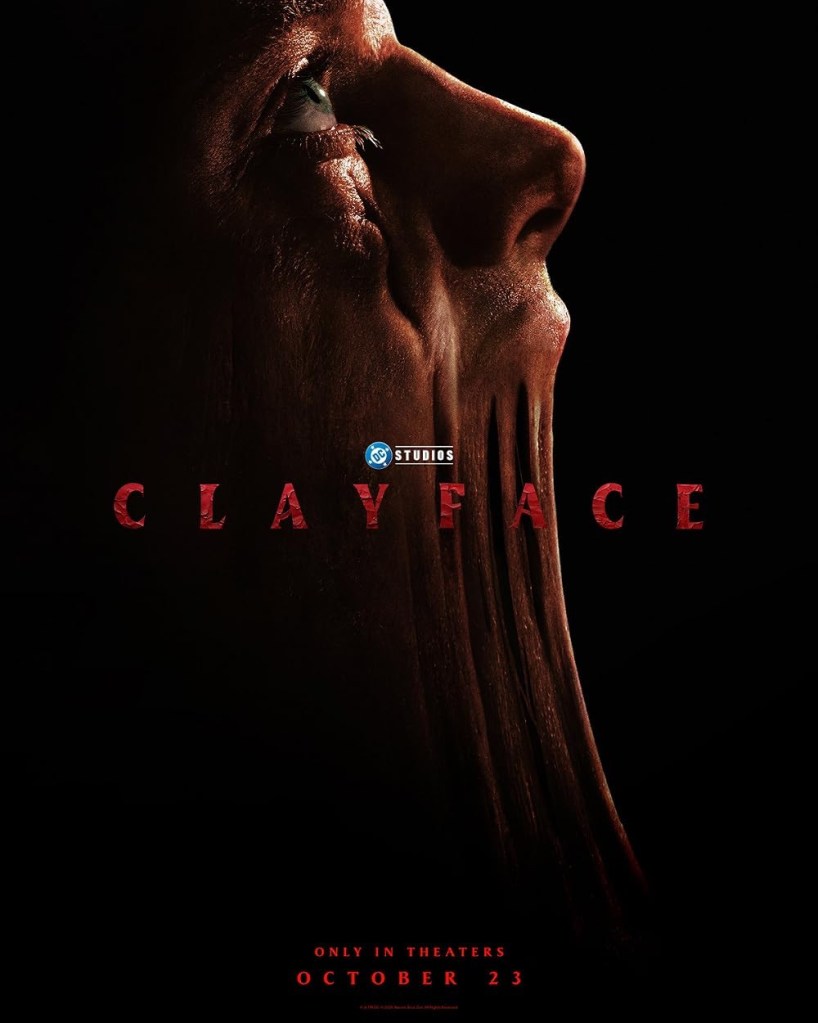
While James Gunn’s new DC Universe hasn’t gotten off to the most rousing start, it does have one upcoming movie with some real potential. Clayface might not stand among Batman’s most heralded antagonists. But for fans of the Caped Crusader, the shapeshifting villain has a long and compelling history, having first appeared in 1940. Now he’s getting his very own solo movie which is simply titled “Clayface”. It will be the third film in the DC Universe. Even more, it looks to be unlike anything we’ve seen in the superhero universes – a full-on body horror thriller. Look no further than the new trailer to see what I mean.
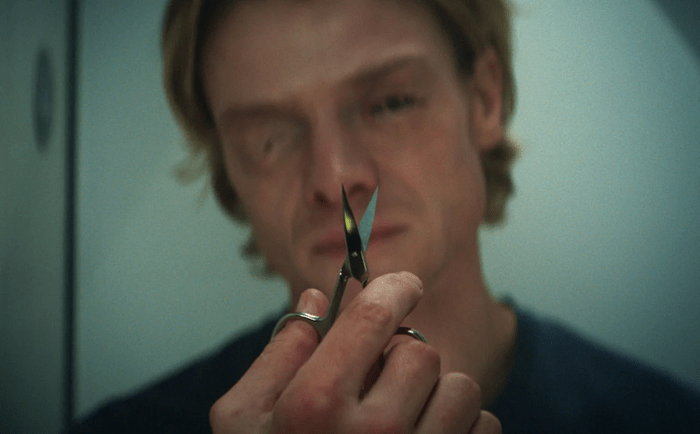
Tom Rhys Harries plays Matt Hagen, a good-looking up-and-coming Hollywood actor. Matt’s career is suddenly derailed when his face is horrible disfigured after getting in deep with a local crime boss. Left penniless and desperate, Matt volunteers for a highly experimental treatment administered by Dr. Caitlin Corr (Naomi Ackie). And as the trailer shows, the results aren’t at all what he anticipated. David Dencik, Max Minghella and Eddie Marsan also star in this modestly budgeted yet genuinely creepy looking feature.
“Clayface” makes its way to theaters on October 23rd. Check out the trailer below and let me know if you’ll be seeing it or taking a a pass.
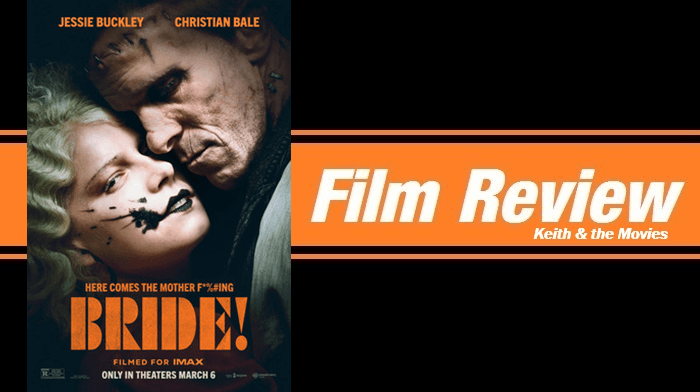
“The Bride!” is a movie that made industry headlines for all the wrong reasons. Writer-director Maggie Gyllenhaal’s ambitious but clunky gothic horror romance had a star-studded cast and was given a near $100 million dollar production budget. But the movie failed to connect with mainstream audiences. And its disastrous theatrical run led to a projected loss of approximately $90 million.
After a quick movie post-mortem, it’s pretty easy to spot the issues that contributed to its poor performance. The film’s inflated budget certainly didn’t help, especially considering its stylishly gonzo concept. Its trek towards profitability was made even tougher by the confusing marketing which tried but failed to sell the movie to either blockbuster audiences or the arthouse crowd. And then there was the poor word-of-mouth, which kept the movie from gaining any box office traction.
But how is the actual movie? Well, it’s complicated. “The Bride!” is a bold yet messy attempt at reimagining both Mary Shelley’s 1818 novel “Frankenstein” and the 1935 film “Bride of Frankenstein”. On one hand, there is an undeniable allure to this unruly, hyper stylized, maximalist mashup. Gyllenhaal delivers a fearlessly rebellious and slickly anachronistic gender-bender that ambitiously smashes together gothic horror, classic noir, pitch-black comedy, and 1930s gangster action. It’s a wildly entertaining blend.
Image Courtesy of Warner Bros. Pictures
On the other hand, “The Bride!” often plays like an out-of-control feminist fever dream, especially in its second half, where nearly everything takes a back seat to Gyllenhaal’s in-your-face messaging. She force-feeds her audience to the point that subversion turns superficial. And too many of the attempts at making a statement come off as performative rather than genuine to the story being told. It’s a reoccurring and self-inflicted problem that gets more frustrating over time.
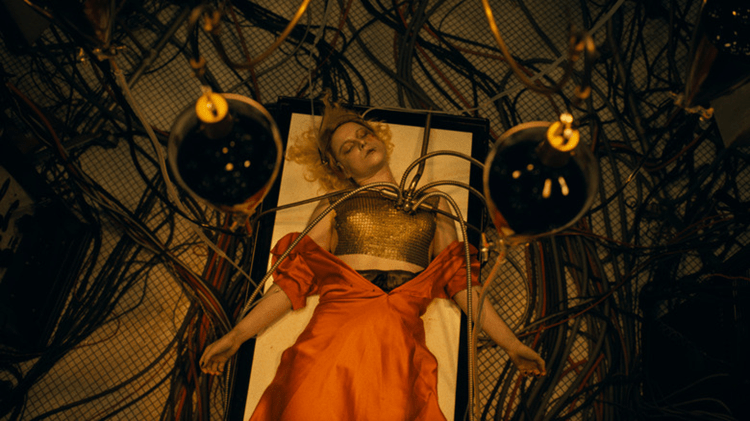
Recent Academy Award winner Jessie Buckley stars in a dual role, first as author Mary Shelley who is speaking from somewhere in the afterlife. The framing device features Shelly venting her frustrations at not being allowed to tell the “Frankenstein” story she longed to tell. To finally do so, Shelley possesses Ida (also Buckley) a disenchanted escort in 1936 Chicago. Ida’s loose lips angers a local mob boss named Lupino (Zlatko Burić). And during a confrontation with Lupino’s goons, a ranting Ida ends up falling to her death.
Enter Frankenstein’s monster, aka Frank (Christian Bale), whose often-told story is one Gyllenhaal understandably expects her audience to already know. He travels from Bavaria to Chicago in search of Dr. Cornelia Euphronius, an infamous scientist whose work in reanimation caught Frank’s attention. We learn that in the years since he was created, Frank has been overwhelmed by loneliness. Desperate for a conjugal relationship, Frank hopes to convince Dr. Euphronius to create him a bride.
It takes some convincing, but Euphronius finally agrees. She and Frank dig up the fresh corpse of Ida from a potter’s field and take her back to the doctor’s lab. Euphronius is able to revive Ida who awakens with no memory of who she is or where she came from. Frank makes up a story that she’s his bride and that her memory will return over time. The new couple ignore the doctor’s warning and head out for a night on the town, catching a movie before going dancing at a raucous nightclub.
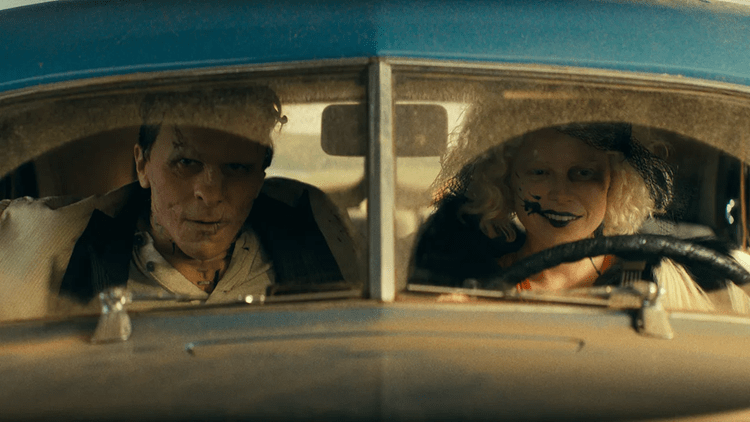
But for Frank and Ida, things go south quick. While leaving the club, Ida is attacked by two goons who Frank promptly and brutally kills. Having faced angry mobs in his sad and painful past, Frank encourages Ida to leave him and spare herself from the inevitable trouble that’s coming. But with nowhere else to go, Ida insists on staying with Frank. So the two go on the run, hopping a train bound for New York. But they quickly learn that their problems follow them to the Big Apple.
Image Courtesy of Warner Bros. Pictures
From there “The Bride!” unfolds like a monster version of “Bonnie and Clyde”. Frank and Ida’s growing notoriety not only draws the attention of the police, but also Lupino who sends out a hitman to silence Ida for good. Meanwhile an undercooked side story(ish) follows a haggard private detective named Jake Wiles (Peter Sarsgaard) who wants to find Ida before the cops do. He works alongside his plucky secretary, Myrna Malloy (Penélope Cruz), who (in keeping with the film’s unsubtle feminist core) is the brains behind their partnership.
Buckley and Bale are great together and they maneuver through the various genres with a playful energy and emotional intensity. Buckley follows up her Best Actress turn in “Hamnet” with a raw and boisterous spin on The Bride, sporting a platinum blonde bouffant, pale skin, and a black crystalloid smudge across her face. Meanwhile Bale slyly finds a balance between monstrosity and humanity. In one scene he unleashes violence like a feral beast. A short time later he’s sitting in a movie house with a tear in his eye, quoting lines along with his favorite actor.
With “The Bride!”, Gyllenhaal throws a lot at us. Her film rotates between being a gruesome monster movie, a quasi-musical, a dark romance, and a gritty gangster flick. It doesn’t always gel together as intended, but it’s hard not to appreciate the daring swings and gonzo style. The real problems come with the bludgeoning attempts at social commentary. Whether it’s the inherent preachiness or the awkward sloganizing, the film’s lack of finesse and nuance undermines so much of what the movie does well.
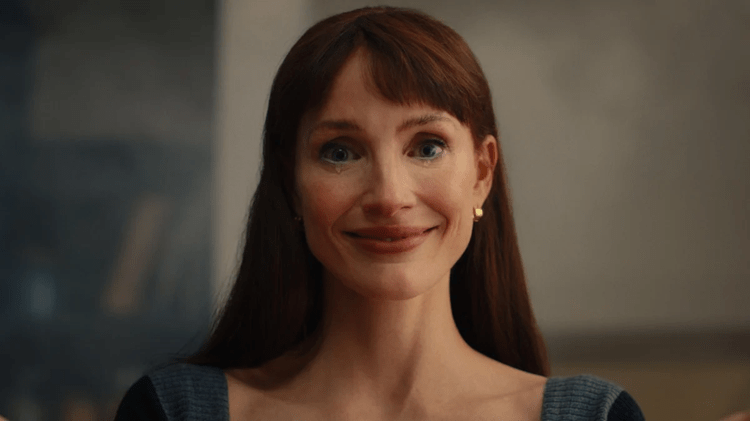
I have no idea if the movie will be good, but the trailer for “Other Mommy” gave my theater’s audience a collective jolt that was nothing short of priceless. Rob Savage directs the upcoming supernatural horror film that is based Josh Malerman’s 2024 novel “Incidents Around the House”. It stars Jessica Chastain who seems to be having the time of her life in a role that looks different than anything she has done before. I’m here for it!
Chastain plays a wife and mother named Ursula. The trailer kicks off by showing her to be a wonderful mommy to her young daughter Bela (Arabella Olivia Clark). But looks prove to be deceiving once the trailer takes a rather ‘twisted’ turn. As the title teases, there is another Ursula – a supernatural entity who takes the form of Bela’s mother and who has intentions that appear more terrifying than maternal. Jay Duplass, Karen Allen, Dichen Lachman, and Arian Moayed also star.
“Other Mommy” lands in theaters on October 9th. Check out the trailer below and let me know if you’ll be seeing it or taking a pass.