

 Joan Crawford had an interesting career to say the least. In 1937 she was called “The Queen of the Movies” by Life magazine but she would be called “Box Office Poison” only one year later. A few moderate successes would follow before her 18 year run with MGM studios was ended. Hungry for a new start, Crawford signed with Warner Brothers. One of her first pictures with her new studio was “Mildred Pierce”. The film was a huge success and Crawford would go on to win the Best Actress Oscar. Her performance was rightly recognized and her career was revived.
“Mildred Pierce” was directed by Michael Curtiz. The acclaimed director didn’t want Crawford as his lead but after his first choices bowed out (Bette Davis, Barabara Stanwyck, Olivia de Havilland), she got the job. The film was adapted from James Cain’s edgy 1941 hardboiled novel. Several plot lines from the book couldn’t be included in the picture due to the movie content code restrictions of the time. This allowed for the film’s introduction of the murder angle and several other creative differences.
Speaking of that, the movie opens with a murder. In a wonderful opening scene dripping with noir flavor, a man is shot several times by an unseen assailant who then flees the scene. The police bring in a successful restauranteur named Mildred Pierce (Crawford) for questioning. The murder victim turns out to be Mildred’s second husband Monte Beragon (Zachary Scott) and the cops believe they know who did it. The main plot structure is built around her interrogation. Through flashbacks we are introduced to the main players and we follow Mildred’s rise from a hard working single mother to an owner of multiple restaurants in the Southern California area.
But we are also introduced to a darker side of Mildred’s life. It’s a side featuring two failed marriages, an unthinkable tragedy, and a bitter, contentious relationship with her oldest daughter Veda. It’s Veda who may be Mildred’s biggest failing. We watch her become a selfish and materialistic young girl who is actually a product of Mildred’s own making. Her desire to shower upon her daughter the most lavish things creates a scheming young girl who looks down with great haughtiness on the ‘have-nots’. Ann Blyth plays Veda and she is sublime. Blyth was actually on loan from Universal Studios at the time. Her performance garnered well-deserved praise which culminated in a Best Supporting Actress Oscar nomination. Blyth would make several more films but none as memorable as “Mildred Pierce”. She was only 17 at the time but this performance showed an astuteness and attention usually associated with the greats.

There is an assortment of other great side characters that help tell Mildred’s story. Bruce Bennett plays her first husband Bert who subverts any good intentions he may have with his carousing and disrespect. Yet you end up wondering if he knows more about Mildred than we first do. Then there is Bert’s real estate partner Wally (Jack Carson) who is never beyond an occasional flirt or a shady business deal. He’s a rather slimy fellow who also has self-centered intentions. Eve Arden gets some wonderful lines as Mildred’s friend and restaurant manager. And Butterfly McQueen has some good moments as Mildred’s maid.
While the film revolves around the murder of Beragon, the life of Mildred Pierce is the centerpiece. Much of the movie’s brilliance is shown in its storytelling style and in the clever ways it depicts Mildred’s changes. She’s an entirely different person by the film’s end. She becomes a woman enslaved by the poisonous relationship she has with her daughter. Things become darker and more twisted as the film moves along which gives “Mildred Pierce” a unique sense. It slices up and mixes portions of film noir, mystery, and romance to form a sordid yet thoroughly compelling whole.
I’m a big fan of “Mildred Pierce” and it’s easily one of my favorite Joan Crawford pictures. She is exceptional here as is her supporting cast, particularly young Ann Blyth. Ranald MacDougall’s adaptation is smart and crafty and it works seamlessly with Michael Curtiz’s style of direction. The film takes a few unavoidable diversions from the novel but they nicely translate cinematically. It all resulted in a spirited film that showcased a still relevant Crawford. It’s also a true classic that still packs a hefty punch today.


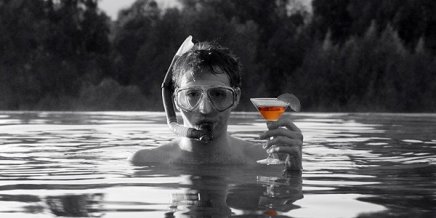

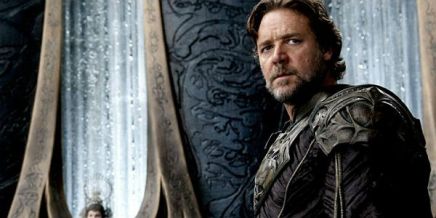


 On the surface there’s nothing about the 2001 romantic musical “Moulin Rouge!” that would draw me to it. I’m overly picky and less enthusiastic about musicals than any other movie genre. Baz Luhrmann’s schizophrenic style of filmmaking isn’t something I naturally gravitate towards. Also Nicole Kidman is an actress that I appreciate but who has never really blown me away. So I sat out during the movie’s release and eventual Oscar run. “Moulin Rouge!” would go on to earn 8 Oscar nominations including a Best Actress nod for Kidman. It would win two for Costume Design and Art Direction.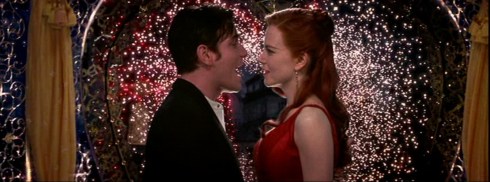
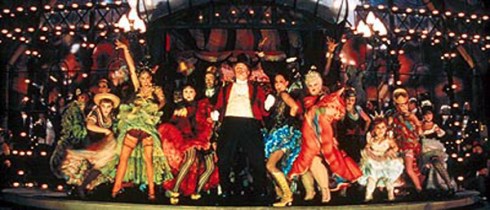
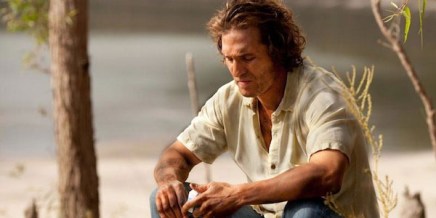
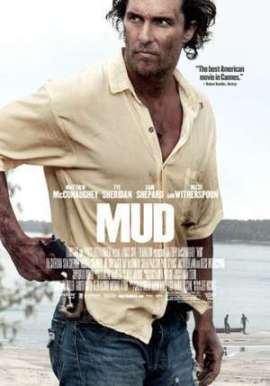 After just two feature films Jeff Nichols has become a director whose name instantly attracts my attention. His first film “Shotgun Stories” was a real and gritty look at rural southern life. His next movie “Take Shelter” was a powerful and potent look at mental illness and its effects on a working class family. It was pure brilliance and one of the best films of the last decade. Now he’s back with another slice of southern gothic storytelling. This time he teams up with some marquee stars and a slightly larger budget to give us “Mud”. But does a little more cash and bigger names equal success or does it take away from the down-to-earth filmmaking that Nichols is known for?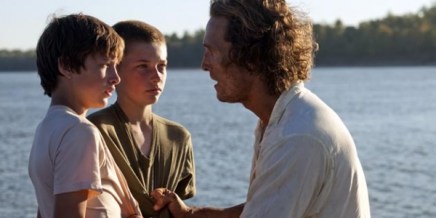

 My recent time spent looking at the movies of French filmmaker Jacques Tati has been a true delight. As I’ve made my way through his small but brilliant catalog of films I’ve grown more and more impressed with the ingenious craft at the heart of them. “Mr. Hulot’s Holiday” was the first film featuring Tati’s lovable Monsieur Hulot character and it’s arguably the greatest display of his physical comedic abilities. Tati both starred in and directed this picture and his meticulous approach to filmmaking is seen in every frame from his carefully conceived sight gags to his beautiful work with the camera.


 Keith & the Movies