
It’s hard to believe it’s that time again – the time of the year where critics and bloggers throw together lists of the movies they felt shined the brightest during the past year. Sure, some turn their noses at these things, but I’ve always enjoyed them. Why not take time to promote the movies you feel were the real treats of the past 365 days. So here we go, reflecting back on 2017 and sharing my picks from what the year had to offer (At least out of what I’ve seen. Sadly, frustrating release schedules means some much anticipated films have yet to open near me. “Phantom Thread”, “Hostiles” and “The Post” head that list).
As always I’ll begin by showing some love to the fine movies that just missed my top 10. Here are my #11 – 20 picks:
- #20 – “Pilgrimage”
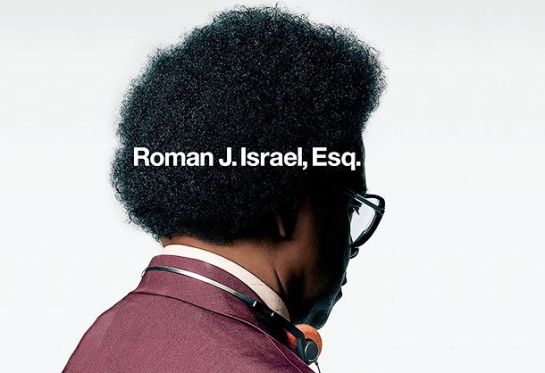
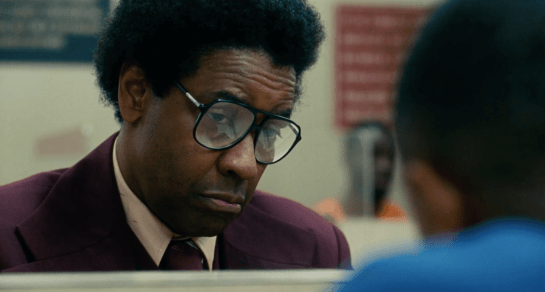
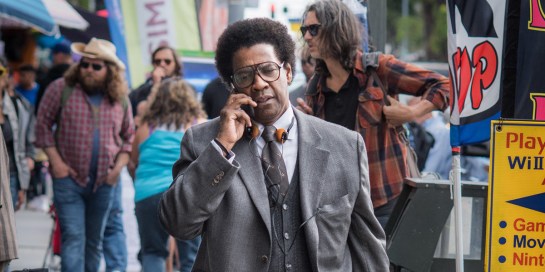
- #19 – “Roman J. Israel, Esq.”
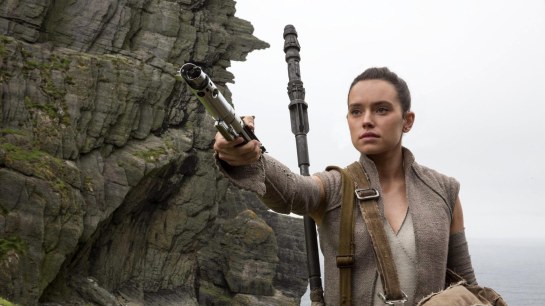
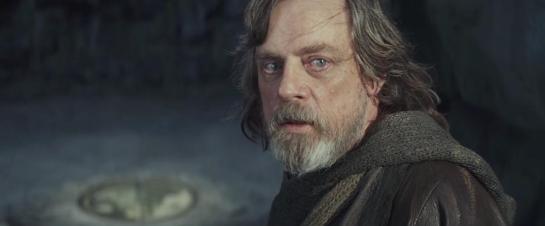
- #18 – “Star Wars: The Last Jedi”
- #17 – “The Bachelors”
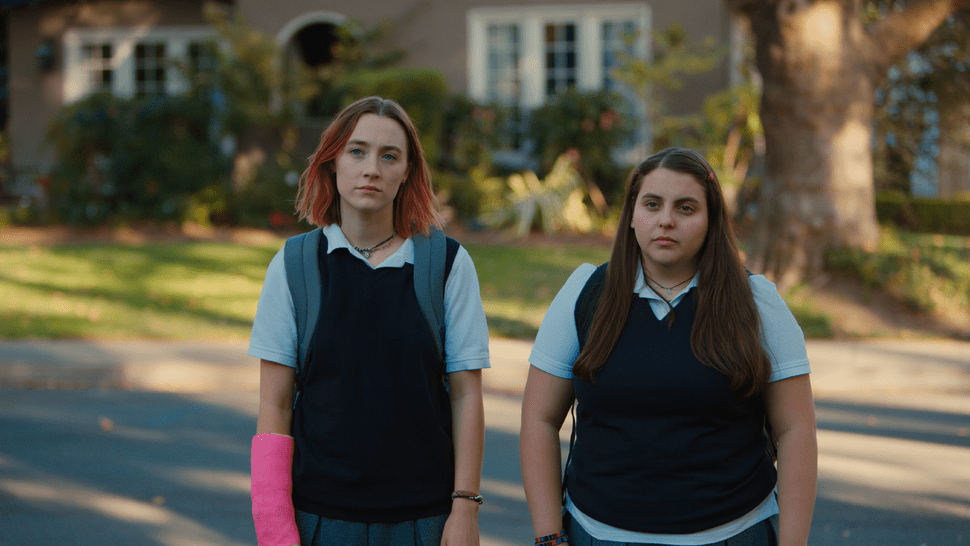
- #16 – “Lady Bird”
- #15 – “Frantz”
- #14 – “Wonderstruck”
- #13 – “Molly’s Game”
- #12 – “The Beguiled”
- #11 – “Maudie”
And now my Top 10 films of 2017..
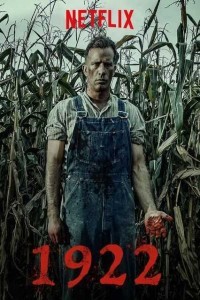 #10 – “1922” There were plenty of surprises in 2017. In fact it was the surprises that saved the movie year for me. Perhaps the biggest one came in the small psychological horror film “1922” based on a Stephen King short story. Thomas Jane (in what may be my favorite performance of the year) plays a struggling Nebraska farmer at odds with his wife over keeping their land or moving to the city. Writer/director Zak Hilditch crafts a movie that gets under your skin and maintains a menacing vibe from start to finish without ever relying on overused genre gimmickry. It may be a tad too slow for some, but its steady sense of discomfort and dread had me hooked. What a year for Netflix.
 #9 – “The Unknown Girl” The Belgian sibling duo of Luc and Jean-Pierre Dardenne have become some of my favorite filmmakers. There is an unvarnished naturalism in their handling of their characters, their circumstances, and the moral quandaries they face. All hold true in “The Unknown Girl”, a mesmerizing drama and personal journey veiled as a murder mystery. The Dardenne’s focus their real-world lens on a young doctor played with a magnetic measured intensity by Adèle Haenel. Her striking performance is almost Bressonian in its quiet authenticity – a perfect match for the Dardenne’s style.
 #8 – “A Ghost Story” David Lowery’s meditative supernatural drama was unlike anything else I saw in 2017. There is nothing conventional or routine about Lowery’s film or his approach to storytelling and that’s part of its allure. “A Ghost Story” surprises at so many levels. It may be the seismic yet effective narrative shift midway through the movie. Or maybe the amount of emotion we get from Casey Affleck under a bedsheet. Or Rooney Mara’s soulful, evocative performance despite having little dialogue. I found it all to be both beautiful and tragic. Its story is patient and personal; its presentation audacious and impressionistic. It all had me under the film’s spell from the start.
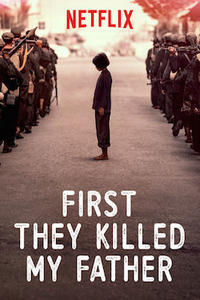 #7 – “First They Killed My Father” Through four films Angelina Jolie has shown a sharp awareness of technique but has never quite hit her stride. That changes with her fifth film, “First They Killed My Father”. It’s a heart-wrenching true story of a young girl growing up during the Khmer Rouge reign in 1970s Cambodia. Jolie’s commitment to authenticity pays off. The movie was shot in Cambodia, with Cambodian performers, and uses the Khmer language. Also many films have told their story from a child’s perspective, but few have done it as well as Jolie does here. The true story in incredible, Jolie’s pacing is perfect, and the cinematography is stunning. It’s a difficult movie to watch but it’s an absolute must-see.
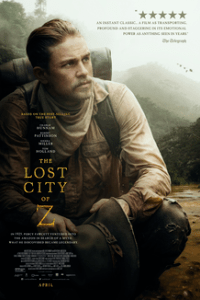 #6 – “The Lost City of Z” James Gray’s masterful biographical adventure “The Lost City of Z” didn’t get a ton of buzz, but it is a film that has stuck with me since my first viewing. Its story of British officer, geographer, and eventual South American explorer Percy Fawcett is fascinating on its own, but Gray’s storytelling is just as absorbing. You can’t help but see light shades of Herzog’s “Aguirre, the Wrath of God” and “Fitzcarraldo”. Even touches of John Huston come to mind. Yet remarkably James Gray has created a movie that feels completely of itself. It’s his best film. It’s Charlie Hunnam’s best performance to date. It’s easily one of my favorite movies of the year.
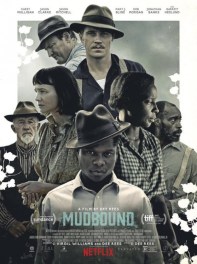 #5 – “Mudbound” Over the past few years there have been several movies willing to deal with slavery and the racial aftermath that reverberated for decades. “Mudbound” is the best of them. Set in the Mississippi delta during the 1940s, “Mudbound” tells the story of two families bound by the rugged farmland they work. Co-writer and director Dee Rees brilliantly portrays the harshness of the period setting while her shrewd handling of the racial climate is powerful and authentic. “Mudbound” is a devastating movie with a bold perspective, great performances throughout, and a young filmmaker with an incredible eye and great understanding of her material. The results are superb.
 #4 – “Wonder Woman” DC’s attempts to match Marvel in the superhero genre haven’t been warmly received (sometimes unfairly but I’ll leave that be). “Wonder Woman” was the injection their shared universe needed. Director Patty Jenkins brings a fresh sensibility and perspective to the genre while still capturing what makes these comics-to-screen adventures so much fun. And of course there is Gal Gadot who not only makes Wonder Woman her own, but gives her more depth than I expected. And that’s what made this film one of the best of its genre – a protagonist with powers that leave us in awe but genuine emotions we can relate to.
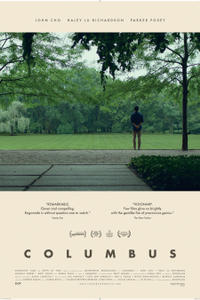 #3 – “Columbus” One of the great surprises of 2017 was “Columbus” and its first-time feature filmmaker Kogonada. Rarely does a first film feature such a deft handling of story and visual technique. Set among the modernist architecture of Columbus, Indiana, Kogonada elegantly and meticulously composes shot after shot that are stunning but never without purpose. They always serve the beautiful but quietly devastating story of two wounded souls played by John Cho (who is fantastic) and Haley Lu Richardson who turns out to be a true revelation. It all melds into one of the most soulful experiences of the year and one of the strongest filmmaking debuts in decades.
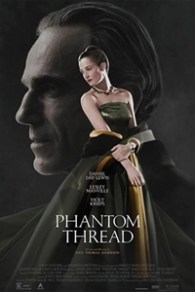 #2 – “Phantom Thread” While I’ve always appreciated Paul Thomas Anderson’s talents as a filmmaker I often find myself mixed on his movies (“There Will Be Blood” aside). That’s certainly not the case with “Phantom Thread”, a masterful mixture of story and craft from a filmmaker perfectly in tune with his vision. Add in three superb performances led by the always spellbinding Daniel Day-Lewis (supposedly his last performance). The camerawork is exquisite, Jonny Greenwood’s score is intoxicating, the costume design is breathtaking and Anderson’s script is both beautiful and wildly unpredictable. Whether you’re an Anderson fan or not, “Phantom Thread” shows why he is considered among the great American directors.
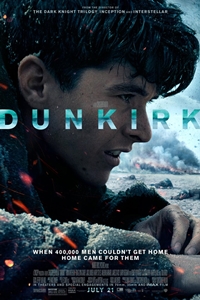 #1 – “Dunkirk” In my mind Christopher Nolan has established himself as the premier big budget filmmaker of our time. Time and time again he has delivered fascinating cinematic experiences that make their own rules. “Dunkirk” is one of his best. This World War II action film honors an incredible true story by creating some of the most harrowing war sequences ever put to film. It fluidly moves between land, air, and sea campaigns while also using time in clever unexpected ways. But perhaps the most surprising element to “Dunkirk” is the emotional punch it packs. It’s not delivered through backstory or heavy plotting. The emotion builds through the intense visceral experience we share with the characters. The vividness of Nolan’s presentation puts us on that beach, aboard the boats, or in the planes. It’s a masterclass of filmmaking and storytelling.
Now it’s your turn. What did I get right? Where did I go horribly wrong? Please share your thoughts and your picks in the comments section below.











 Keith & the Movies