
REVIEW: “Saw”

saw posterHere’s some useless information you may not know about me – I’ve never seen any of the “Saw” movies. At least not in their entirety. I’ve seen bits and pieces here and there but not enough to tell them apart or to even care. Frankly it’s a brand of horror that doesn’t appeal to me and what I’ve seen has given me no reason to spend my time on them. Yet that’s exactly what I did.

I decided to watch 2004’s “Saw” for several reasons. 1) It’s the Halloween season and what better time to catch up on some horror movies. 2) I discovered that the original “Saw” marked the feature film directorial debut for James Wan, the man behind the two “Conjuring” films which I happen to really like. 3) “Jigsaw”, the eighth film in the franchise (yes I said eighth), came out over the weekend. 4) It just happened to be on television.

Despite my general apathy for this franchise it has been incredibly successful. Starting in 2004 one “Saw” movie came out every year for seven years. Each film was made with a tiny budget yet each cleared $100 million at the box office with the exception of one. But it all sprang from Wan’s film which turned out to be a tad smarter and craftier than I expected.

The “Saw” franchise is synonymous with the term “torture porn” and deservedly so. But that’s a title earned by the sequels. Wan’s film is an exception. It’s unquestionably a horror film, but it’s just as a much a suspenseful mystery told with a surprising Hitchcockian flavor. Now don’t get me wrong, “Saw” doesn’t break new ground nor is it particularly good. But it is a far cry from what the franchise would become.

saw1

A huge part of the movie takes place in one space – a filthy rundown bathroom. Inside two men wake up with no prior knowledge of how they ended up there. They are chained to walls opposite of each other and between them lies a body in a pool of blood. We learn the first man is Lawrence (Carl Elwes), a successful oncologist, husband, and father. The younger man is Adam (screenwriter Leigh Whannell), a streetwise photographer.

With seemingly no connections, the two try and piece together who put them in the room and why they are there. This is the basis for the mystery aspect of the story.  The horror side comes from Lawrence and Adam’s efforts to escape. There are some pretty graphic scenes but more of the focus is on the psychological. None of it is particularly scary but it’s just engaging enough to keep your attention. Danny Glover pops up as a police detective whose own case intersects with this one. Monica Porter is good playing Lawrence’s wife Alison.

saw2

While a chunk of the film takes place in the bathroom, we spend a lot of time with Glover as well. Unfortunately his hunt for truth is fairly generic. There is also a lot of narrative backtracking through flashbacks that Wan leans heavily on. For the most part it works but it also feels like a necessary device. And while all the story pieces do eventually fit together, there is still a lot that we are expected to simply accept.

“Saw” is an interesting debut from James Wan. It should be commended for attempting to tell a compelling story and for extending itself beyond its tiny budget. But despite its good efforts “Saw” never fully clicks. It’s a far cry from the ridiculous gore-soaked torturefest the franchise has since become, but it still isn’t particularly good horror. At the same time it is a bit better than I expected.

VERDICT – 2.5 STARS

REVIEW: “Get Out”

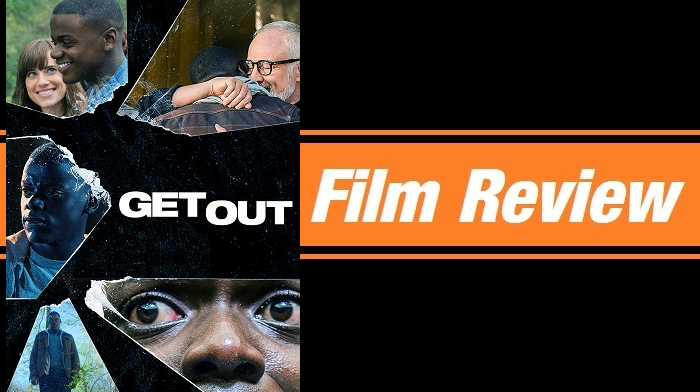
Comedian Jordan Peele’s directorial debut “Get Out” has certainly reeled in a ton of high praise. The former Comedy Central sketch series star also wrote the screenplay for this wild mish-mash of genres, influences, and ideas. Peele clearly aims to make a movie that can be several different things at once (one of his film’s strengths). But I’m not sure any of the film’s multiple identities are all that strong.

Many have called “Get Out” a horror-comedy and that seems fitting enough. Problem is you may have to strain to find it either funny or scary. The humor ranges from conventional to glaringly satirical. It leans especially hard into its biting social/racial satire, some of which is genuinely funny. But it can be either too silly or too on-the-nose. Then you have the horror element which teases but never fully delivers. I feel Peele is making a subconscious play intended to make us fear what the film is implying more than what it is showing. I like that idea, but even it is subverted by the shaky attempts at humor and the overall absurdity, especially in the final act.

The film starts with promise – a startling opening sequence showing a young Black man walking through a (presumably) white upper-class neighborhood. It’s late at night and the young man is searching for an address. A car creeps up behind him causing him to nervously change course. The inevitable interaction that follows makes a powerfully strong statement as well as launches the story in a compelling direction.

Get1
Image Courtesy of Universal Pictures

There is a very “Guess Who’s Coming to Dinner” meets “The Stepford Wives” vibe from there. It starts by introducing us to a young photographer named Chris (Daniel Kaluuya) who agrees to meet the rich parents of his white girlfriend Rose (Allison Williams). As they pack for their weekend visit Chris asks, “They know I’m Black, right?” Rose reassures him, even tossing out that her parents would have voted for Obama in for a third term. If that’s the case, clearly nothing could go wrong, right?

The two travel to the secluded countryside estate of Rose’s parents (shrewdly played by Bradley Whitfield and Catherine Keener). Their visit coincides with an annual house party her parents throw for their posh, powerful (and white) acquaintances. As the collection of stiff, suit-and-gown bluebloods meet Chris they seem impervious to their racial insensitivities (we get several goofy lines about liking Tiger Woods and Black being “in fashion“).

On one hand Peele is doing something crafty underneath these peculiar interactions. They actually have purpose. On the other hand it’s hard to believe someone wouldn’t see through all the weirdness and (as the title says) get out of there. This is stressed even more by the groundskeeper Walter (Marcus Henderson) and the housekeeper Georgina (a wonderful Betty Gabriel). Both are Black and seem to exist in a freaky trance-like state. Again, how anyone would stick around is beyond me. But to be fair, horror movies often ask you to simply go with things like this.

Get2
Image Courtesy of Universal Studios

Aside from a handful of intriguing bits, things finally begin to simmer in the final act right up until its wonky blood-soaked ending. The finale features a crazy tonal shift which is sure to satisfy crowds but feels jarring and out of sync with the rest of the film. Peele flirts with going in a more gonzo direction which would have been a lot of fun. Instead he chooses a more traditional horror route that could be taken a number of ways from ridiculous all the way to borderline offensive.

There are several other issues that hold the film back. One is Daniel Kaluuya’s performance. Yes, I know he has been universally praised, but for me he gives two very different performances. The first half of the film features a flat, low-key Kaluuya who relies on the same puzzled expression over and over again. The second half sees him open up and his performance moves from bland to really good. Other problems tie into Peele’s script. There are numerous gaping holes in the logic and some laughable conveniences. There is also a key moment where Peele completely tips his hand too early and ends up seriously undercutting the tension in what should have been his film’s signature reveal..

It would be dishonest not to admit to being surprised at the profound adulation for “Get Out”. I do understand why people like it. It explores some meaty themes and there are some truly interesting narrative angles. I think that’s why I found myself so frustrated at its uneven execution. You can see the ingredients for a better film sprinkled throughout. Ultimately it’s a perplexing first feature for Peele – one that shows him to be a promising young filmmaker with big ideas, but one who may need to work on how he his handles them.

VERDICT – 2.5 STARS

2-5-stars

REVIEW: “1922”

1922 poster

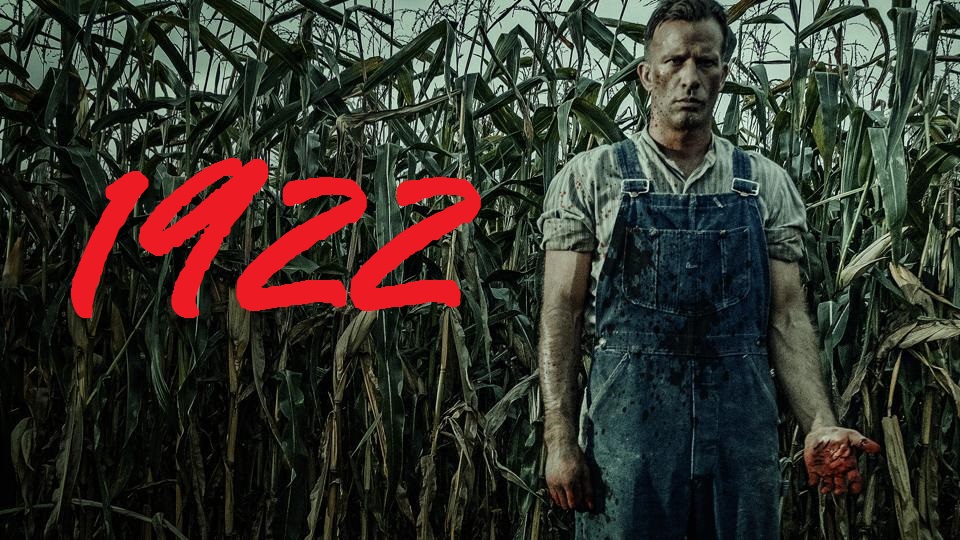
“I believe there’s another man inside every man – a stranger, a conniving man”. This early line of dialogue in Zak Hilditch’s “1922” sets the table for this simmering psychological horror-thriller. It taps into the mentality of the film’s fascinating lead character and lays the parameters for the mental chaos that follows.

You could call 2017 the year of the Stephen King adaptations. “It” stands as one of the top grossing movies of the year. “The Dark Tower” not so much. Then came the Netflix originals – “Gerald’s Game” and now “1922” which is based on 117 page short story published by King in 2010.

19221

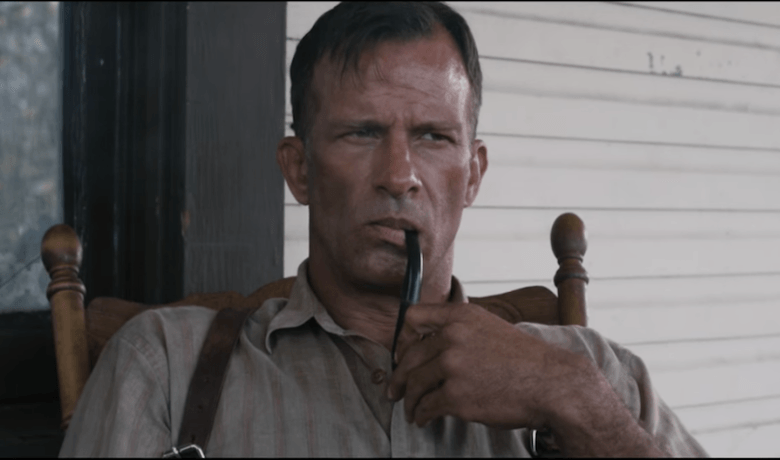
The story begins with a grizzled man writing what he calls his confession. The man’s name is Wilfred James (played by Thomas Jane in an eye-opening performance). He is a farmer from Hemingford Home, Nebraska and as he writes it becomes clear he is mentally frail and devoured by guilt. The bulk of the story is framed by his confession which takes us back via flashback to the events which led to his current state.


Wilfred’s farm consists of 80 acres passed down to him by his family. (In one very telling line he writes “In 1922 a man’s pride was his land”). His wife Arlette (Molly Parker) owns 100 acres of adjacent land willed to her by her father. She’s grown dissatisfied with farm life and wants Wilfred to sell their land and move to Omaha where she can pursue her dream of opening a big city dress shop. The tension between their perspectives becomes obvious and their teenaged son Henry (Dylan Schmid) finds himself caught in the middle.

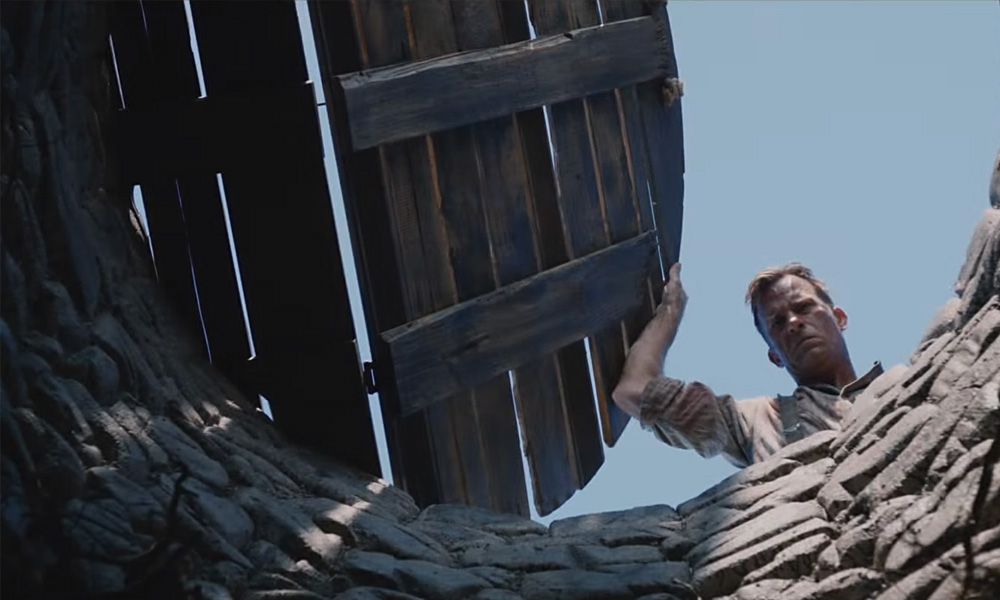
“The conniving man” within Wilfred devises a plan to kill Arlette and manipulates Henry into helping by exploiting his son’s affections for a neighbor’s young daughter. In Wilfred’s mind he can cover every angle to keep his crime hidden. In another revealing line he writes “In those days a man’s wife was a man’s business”. But Wilfred can’t perceive every consequence of his actions much less how they will effect both him and Henry. And he certainly doesn’t anticipate the weight of guilt that pushes him closer to his breaking point.

Hilditch’s direction is a wonderful compliment to King’s biggest storytelling strengths – developing slow-burning tension and eerie, uneasy moods. “1922” leans heavily on atmosphere which is captured through Ben Richardson’s crafty camera and Mike Patton’s haunting score. Hilditch shrewdly utilizes both to suck us into this twisted nightmare of Wilfred’s own making.

19222

But the biggest strength of the film lies in Thomas Jane’s standout performance. His stunning portrayal seems yanked right out of early 20th century middle America. Jane’s weathered, tanned face reveals a man who works the earth. But several other touches help give this character life. It could be something as simply as a squint of his eye or a draw of his mouth. It’s seen in his handling of small town period vernacular and his distinctive enunciations. It’s mesmerizing work that shouldn’t go unseen.

“1922” is a movie that gets under your skin. It maintains a menacing vibe from start to finish without ever relying on overused gimmicks or formulas. It may be a tad too slow for some, but its steady sense of discomfort and dread had me hooked. And then you have Jane who loses himself in the lead role and delivers a transformative authenticity that results in a character who is both disturbing and spellbinding. He’s very good as is this movie which nicely blends classic King with a nice touch of Hitchcock. That’s a really good recipe.

VERDICT – 4.5 STARS

4-5-stars

REVIEW: “The Dark Tower”

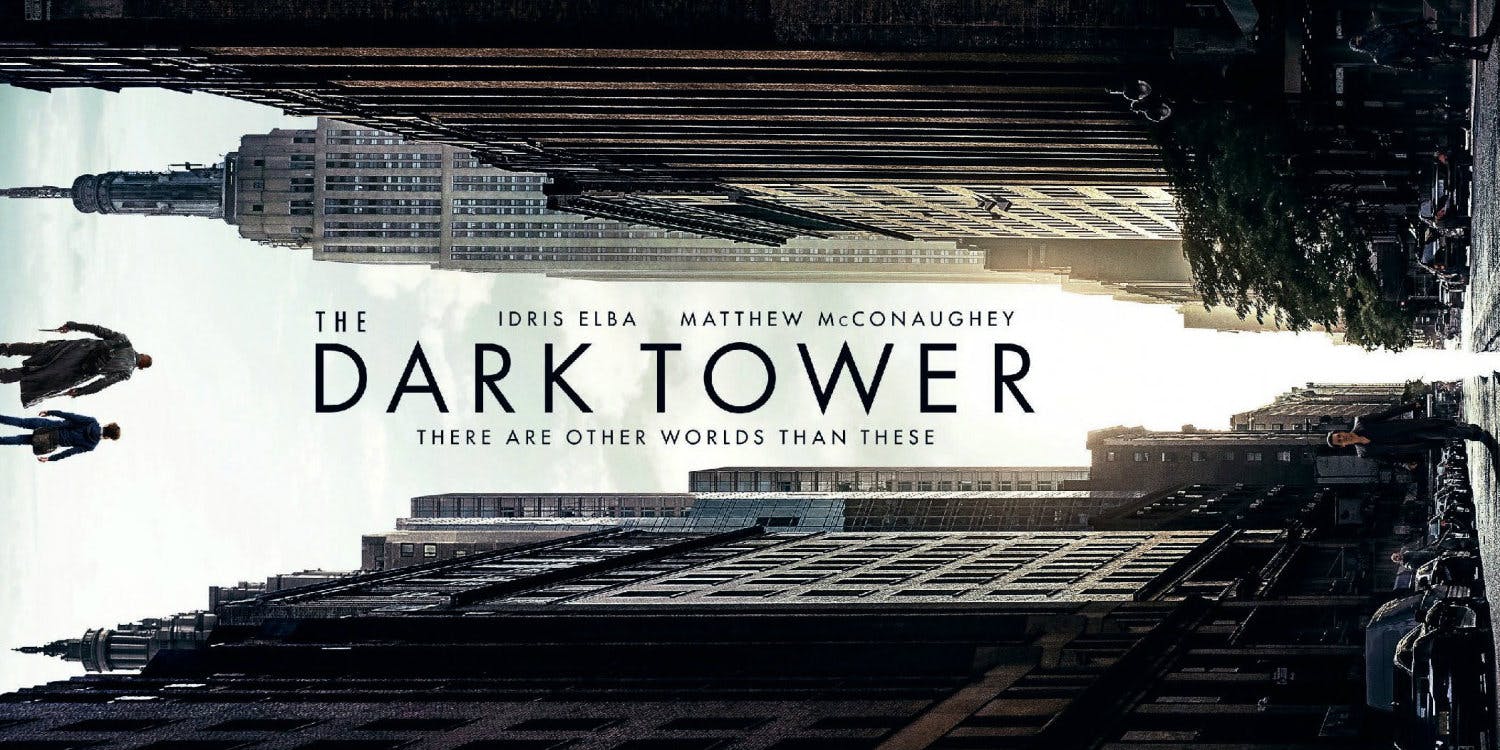
Towerposter

For ten years a movie adaptation of Stephen King’s wildly popular “Dark Tower” series of novels has been in the works. An impressive carousel of big names have been linked to the project – directors J.J. Abrams and Ron Howard; actors Javier Bardem, Russell Crowe, Liam Neeson, and Viggo Mortensen. But script issues and studio apprehension kept the project on the shelf.

That was until struggling Sony Pictures greenlit the project. More script rewrites were done (rarely a good sign) and Nikolaj Arcel was handed the directing reins. Things looked up with the casting of Idris Elba and Matthew McConaughey. As it turns out “The Dark Tower” needed a lot more than star power to make it worth the wait.

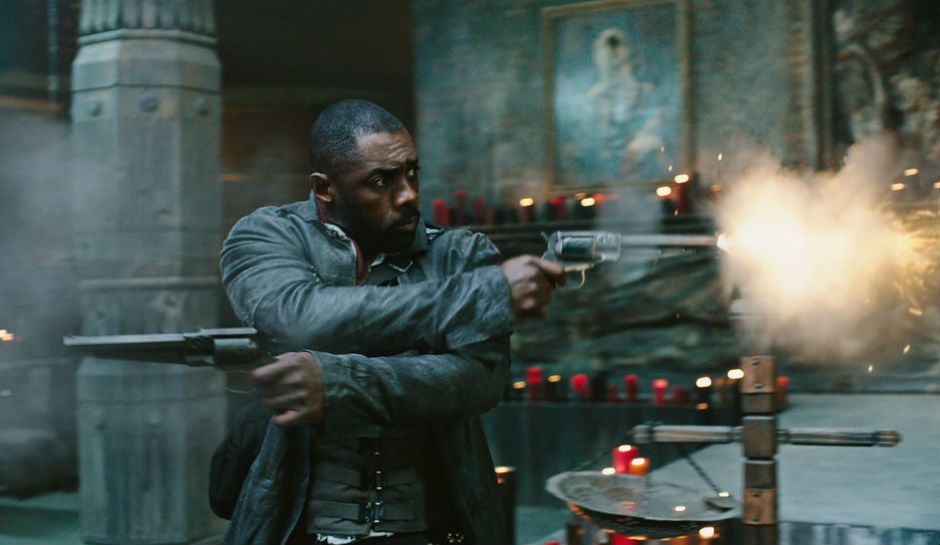
tower1

As someone who hasn’t read the novels I expected there to be a lot I wouldn’t get. Turns out I was right. The screenwriting team attempts to make sense of things for know-nothings like me, but their efforts range from clunky to nonsensical. For what it’s worth we get some (not all that interesting) exposition which explains things a bit. Other times we get transitions and gaps that make no sense whatsoever. But in retrospect I’m not sure understanding this particular story would cure its ills.

From what I can understand the film is intended to be a direct sequel to the novels. It spans two ‘worlds’ – ours, which is mainly depicted by modern day New York, and Mid-World, a sci-fi Wild West-like parallel universe. It’s there that we meet a Gunslinger named Roland (Elba), the villainous Man in Black (McConaughey), and the mysterious Dark Tower – a structure set in the center of the universe that could end both worlds if destroyed. Elba is the protector, McConaughey wants to destroy it, and so on.

In New York a young boy (Tom Taylor) has visions of Mid-World and the looming threat of the tower’s destruction. He’s chased by monsters working for the Man in Black until he finds a portal to Mid-World where he meets up with Roland. He shares his visions and the two try to foil the Man in Black’s plans.

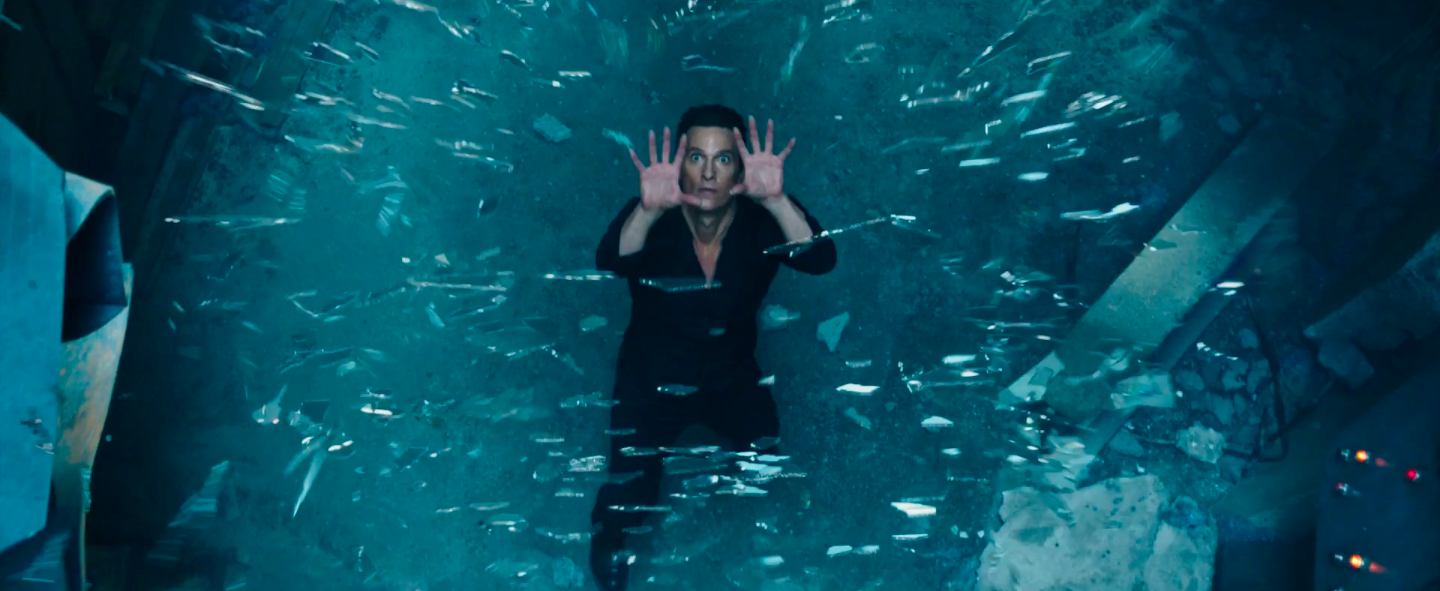
tower2

The film is rich with all sorts of goofy concoctions. There are creatures with fake human skin masquerading as New Yorkers. There is a massive weapon powered by psychic children. I could go on. That kind of silliness could be a bit more digestible if the movie didn’t take it all so seriously. Sure, there are a handful of attempts at humor, but not enough to overtake the serious tone. It doesn’t make this unwatchable, but it consistently fed my feeelings of disappointment.

There are moments of McConaughey doing McConaughey which can be kind of amusing, but ultimately he seems miscast. It doesn’t help that his character is nothing short of dreadful. Elba is good with what little he’s given and you could say he is a reminder of the potential this film had. I would like to see him again in this role with a substantially smarter, less convoluted story and more focused direction. I’m afraid that’s wishful thinking. I can’t imagine another movie in this planned franchise seeing the light of day.

VERDICT – 2 STARS

2-stars

REVIEW: “Maudie”

Maude poster

The heart-wrenching yet inspirational true story of folk artist Maud Lewis seems tailor-made for the movie biopic treatment. At the same time it’s a type of story that demands a sensitive and sure-handed approach. There are several examples of films that lost themselves in sentimentality and showiness when attempting to work with similar material.

Aisling Walsh’s “Maudie” falls for none of those trappings. The Irish director’s deftly handled portrait resembles one of Maud’s paintings in that it keeps things simple. At the same time Walsh never compromises the genuine emotion inextricably linked to Maud’s life and she utilizes two phenomenal performances to fill in the details.

Sherry White’s patient, poignant script features a clear-eyed focus on Maud’s unique relationship with a local fish peddler named Everett Lewis . White and Walsh want us in the role of observer, not so much on any extensive plotting, but on these two characters and their fascinating relationship which emotionally ranges from heart-crushing to uplifting.

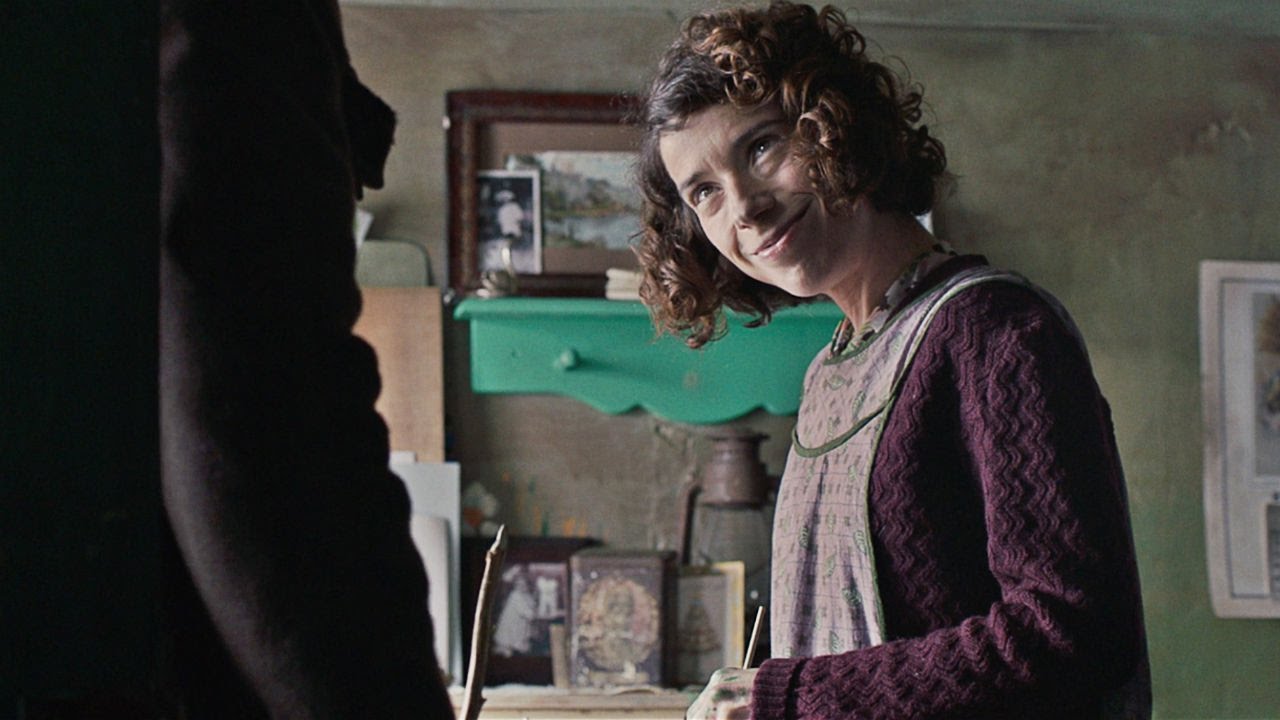
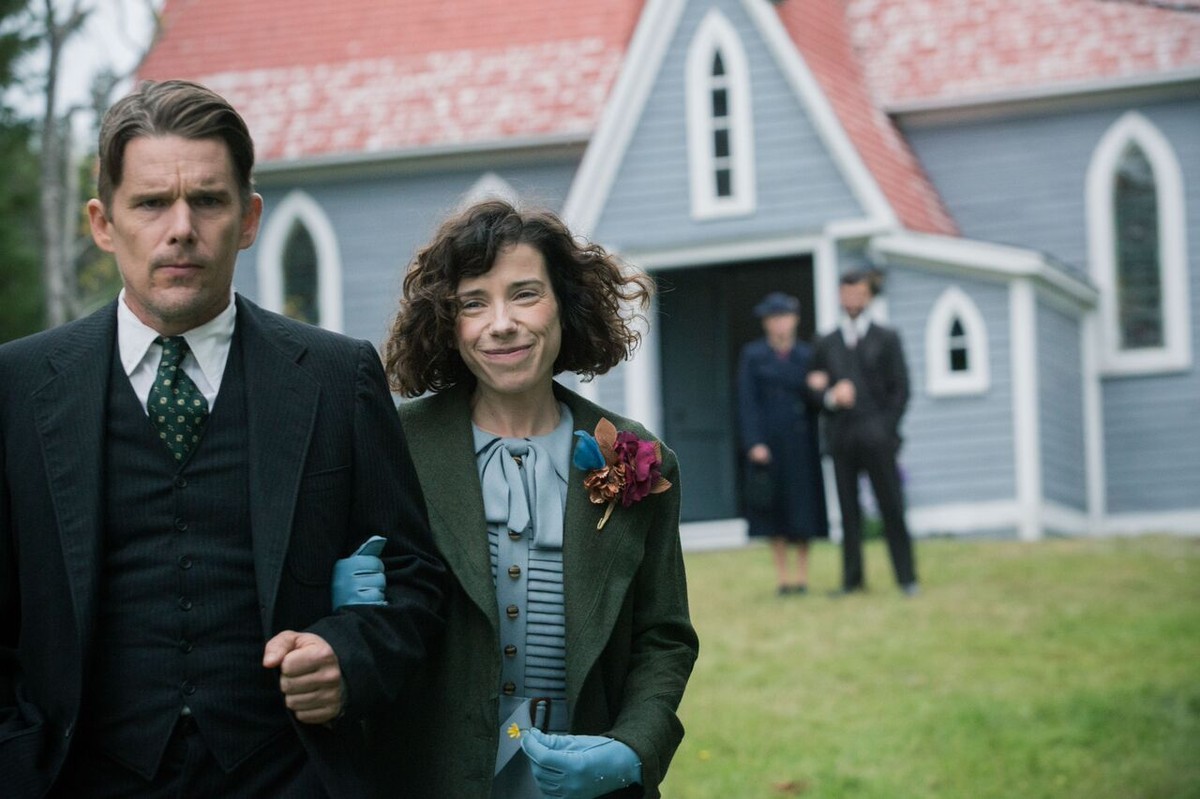
maudie1

Sally Hawkins takes on the title role and gives a performance that should light up the eyes of Academy voters. Hawkins vanishes into her character and fearlessly tackles the challenges of portraying Maud’s frail body, soft voice, and irrepressible positive spirit. Hawkins captures both the debilitating nature of Maud’s rheumatoid arthritis and well as the her wide-eyed optimism and ability to see the good in the harsh world surrounding her.

We first see Maud cast off by her brother to live with her curmudgeon of an aunt in 1930s small town Nova Scotia. She sees a means of escape when Everett Lewis, a local fish peddler and jack of all trades, places a “Help Wanted” advertisement for a housekeeper. He’s played with a wheelbarrow load of grumbling temperamental snarl by Ethan Hawke. It’s another great performance from Hawke who continues to extend himself as an actor.

He eventually hires Maud as the live-in maid for his tiny one-room shack (minus the tinier loft upstairs). Everett is a tough nut to crack – a socially dysfuctional recluse who is terrified at the very idea of loving. This leads to some moments of uncomfortable cruelty often spawned from his “King of my Castle” mentality (In one particularly cruel scene Everett berates Maud letting her know she falls below his dogs and chickens in the house pecking order). But it also comes from Everett’s own awkwardness and osctracism – a bond he shares with Maud.

Maudie2

As their unconventional relationship takes a new form Maud begins to express herself through painting – on postcards, on wood planks, even on the walls of their shack. After an art-loving New Yorker (Kari Matchett) takes a liking to her paintings word quickly spreads and soon people from all over are travelling to see the little house and Maud’s artwork.

Regardless of how it may sound, this isn’t a rags-to-riches story. In fact, despite making money from her paintings, Maud and Everett lived for in their “Little House” for over 30 years. It now sits on display in the Art Gallery of Nova Scotia. Instead this is a quirky but uplifting love story ripe with inspiring life lessons – that beauty lies in the simplest of things; that genuine contentment can often lead to genuine happiness; that true love can be found in the most unexpected places – just to name a few.

Simply put “Maudie” is a delight. It is a life-affirming movie that feels both tragic and beautiful. Guy Godfree’s cinematography is superb framing shot after shot as if they were settled on a canvas. The Michael Timmins score is simple, fitting, and never manipulative. And of course White’s script and Walsh’s direction. But it all comes back to the two lead performers particularly Sally Hawkins. She brings this lovely soul to life with such heart and vivid detail. It’s a performance certain to leave an impression on any viewer and I can guarantee that by the end you will want to know more about Maud Lewis.

VERDICT – 4.5 STARS

4-5-stars

REVIEW: “Wind River”

wind poster

Screenwriter Taylor Sheridan is developing an impressive reputation. His first film script was for 2015’s stellar “Sicario” and he followed it up with last year’s “Hell or High Water”.  A deep-south crime thriller, “Hell or High Water” (despite a plot hole or two) would earn him an Academy Award nomination and highlight Sheridan’s gift for telling character-driven stories with a sharp regional authenticity.

His latest film “Wind River” is yet another showcase for Sheridan’s fascinating style of storytelling. It also sees him hop into the director’s chair, something he’s only done once before with a low-budget horror film appropriately titled “Vile”.

wind2

“Wind River” begins with a startling scene featuring a terrified young woman running through a snowy wooded area during the frigid cold of night. Her frozen body is eventually discovered by Cory Lambert (Jeremy Renner), a Fish and Wildlife Service tracker for the Wind River Indian Reservation in Wyoming. Lambert reports the death to Tribal Police Chief Ben (Graham Greene) who promptly calls the FBI. The relatively uninterested Feds send earnest but ill-equipped rookie agent Jane Banner (Elizabeth Olsen) to oversee the investigation.

From there the story becomes an absorbing mix of slow-boiling murder mystery and thoughtful commentary. A lot is gleaned from the rough and rugged setting. As with Sheridan’s previous two films, setting is one of the most captivating components. “Wind River” is filmed mostly on location which adds a harsh natural edge to the mystery. But the territory’s ruggedness is equally presented in another form – drugs, poverty, isolation and violence all speak to the reservation life Sheridan clearly wants to examine.

Renner and Olsen shed their second-tier Marvel superhero personas and get to play interesting real-life characters firmly grounded by Sheridan’s dialogue. Sheridan loves fleshing out his characters through well-conceived conversation. Renner is superb giving a quiet and measured performance fitting of a character with plenty of baggage to unpack. Olsen’s role resembled that of Emily Blunt in “Sicario” but just a hair less convincing. She’s tough but inexperienced and forced to learn on the fly from the situation she is thrust into. They are a good team working through local obstacles as well as federal red tape and indifference.

Wind River - 70th Cannes Film Festival, France - 19 May 2017

Sheridan’s direction matches his screenwriting – steady and assured. His knack for pacing keeps the story bumping along all while building tension and fleshing out his characters. It is sure to be too slow for some and there are certain things Sheridan shows but has no interest in exploring. Personally speaking I appreciated his focus.

Things eventually reach their boiling point leading to a finale that obliterates the film’s patient rhythm. It’s a bit jarring but inevitable and satisfying. There are a few small questions left on the table and it’s hard to determine if they are intentional or oversights. Still Sheridan has written yet another solid screenplay in his crime story trilogy and has added a strong directing credit to his resume. He remains an exciting filmmaker with a refreshing cinematic eye and his next script “Soldado” is a sequel to “Sicario”. I’m all onboard.

VERDICT – 4 STARS

4-stars